15 Best Apps for Healthcare Professionals to Save Time in 2026
Explore 15 apps for healthcare professionals to speed up documentation, streamline communication, and support healthcare workflow automation.

If you work in healthcare, you already know how quickly the small tasks add up. Between charting, patient messages, scheduling changes, and follow-ups, it’s easy for administrative work to spill into time that should be spent on care.
The right apps for healthcare professionals help reduce that daily friction. By streamlining repetitive tasks and improving coordination, these tools can save meaningful time across the clinical workflow.
In this guide, we'll compare the 15 best apps for healthcare professionals, organized by real-world use cases so you can quickly identify what fits your workflows in 2026.
What Are Apps for Healthcare Professionals?
Apps for healthcare professionals are software tools that help clinicians manage clinical, administrative, and communication tasks more efficiently. These tools support activities like documentation, scheduling, secure messaging, coding, and decision support.
Unlike general productivity apps, healthcare-focused tools are often built with compliance, patient data protection, and clinical workflows in mind. Many organizations also evaluate HIPAA readiness, access controls, and audit logging before adopting new tools.
Used well, these apps reduce manual work and support healthcare workflow automation across the patient care lifecycle.
Before adopting any new healthcare app, it is important to confirm it meets your organization’s security and compliance requirements.
Look for HIPAA readiness where applicable, Business Associate Agreements (BAAs) when patient data is involved, and features like audit logs and role-based access controls. Many healthcare organizations also maintain approved vendor lists, so it’s worth verifying whether a tool is already cleared for use in your environment.
Where Healthcare Apps Save the Most Time
Healthcare apps deliver the most value when they remove repetitive work and reduce coordination overhead. In practice, the biggest time savings usually come from a few high-friction areas.
Here are a few ways that healthcare apps can save you time:
Documentation and charting - Templates, voice tools, and structured notes reduce time spent typing and updating records.
Patient communication - Secure messaging platforms cut down phone tag and manual follow-ups.
Scheduling and intake - Automated reminders and digital intake reduce front-desk workload and no-shows.
Care team coordination - Centralized messaging and task tracking improve handoffs and visibility.
Coding and billing workflows - Coding support and claim tools help reduce rework and denials.
Most healthcare teams see the fastest gains when they start with documentation and communication workflows, then expand automation gradually.
15 Best Apps for Healthcare Professionals
Healthcare teams evaluating apps usually want tools that reduce administrative burden without adding complexity. The options below are grouped by the workflows where they typically save the most time.
Clinical Documentation & Charting Apps
Documentation remains one of the biggest time drains in healthcare. These tools help streamline note creation, standardize records, and reduce repetitive typing.
Text Blaze
Text Blaze is a healthcare workflow automation tool that allows you to create powerful medical templates for note-taking, assessments, and communications and quickly insert them using keyboard shortcuts to save time.
Text Blaze makes it easy to create customizable, dynamic templates by incorporating data from anywhere, adding placeholders for patient information, using dynamic logic to create conditions, and using formulas to perform calculations on-the-go.
How it helps healthcare teams
Automate repetitive documentation with smart templates that work anywhere.
Streamline workflows by automating data transfer, form-filling, and repetitive typing anywhere you work.
Use AI to proofread, rewrite, and summarize - AI Blaze helps you proofread notes, rewrite rough notes to turn them into structured notes, and summarize info on any website.
Text Blaze is free forever. Get started and save time instantly.
100% seamless integration in ANY EMR. Text Blaze works anywhere you do via the Text Blaze Chrome Extension, Windows app, and Mac app!
Text Blaze is perfect for teams! Learn more about using Text Blaze for teams to supercharge your team's communication and productivity!
Best fit for: clinicians and teams focused on faster documentation workflows.
Want to automate workflows in any EMR?
Join over 700,000+ others who are using Text Blaze templates.
Dragon Medical One
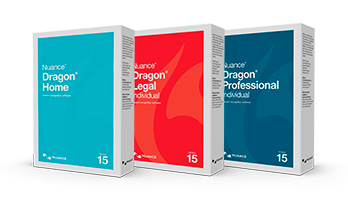
Dragon Medical One is a cloud-based medical speech recognition tool designed for clinical documentation. It allows clinicians to dictate notes directly into supported systems, which can significantly reduce typing time.
The platform includes medical vocabulary optimization and voice profiles that improve accuracy over time. Many organizations deploy it to support high-volume documentation environments. It works best in settings where voice dictation fits naturally into the clinician’s workflow.
- How it helps healthcare teams
- converts speech into structured clinical notes
- reduces manual typing during charting
- improves documentation speed in high-volume settings
- supports voice profiles for accuracy over time
Best fit for: providers who prefer voice-driven documentation.
Freed AI
Freed AI is an AI documentation assistant focused on helping clinicians capture visit notes more efficiently. It listens to patient encounters and generates structured summaries that clinicians can review and edit.
The tool is often used to reduce after-hours charting and improve documentation speed. Many teams pair it with their existing EHR workflows rather than replacing current systems. If you want to integrate AI in your clinical workflows, this is a good option.
- How it helps healthcare teams
- generates visit summaries from conversations
- reduces time spent writing encounter notes
- helps minimize after-hours documentation
- fits alongside existing EHR workflows
Best fit for: clinicians managing high patient visit volume.
Medical Reference & Decision Support Apps
Point-of-care decisions often require fast access to reliable clinical information. These tools help clinicians quickly look up drug data, guidelines, and treatment information.
UpToDate
UpToDate is a widely used clinical decision support resource that provides evidence-based medical information. Clinicians use it to review treatment guidance, drug information, and condition summaries during patient care.
The platform is known for its depth and regular content updates. Many hospitals and health systems provide institutional access. It is best suited for providers who frequently need detailed clinical reference material.
- How it helps healthcare teams
- provides evidence-based treatment guidance
- supports point-of-care clinical decisions
- offers regularly updated medical content
- reduces time spent searching multiple sources
Best fit for: clinicians who need in-depth clinical decision support.
Epocrates
Epocrates is a mobile-friendly medical reference app focused heavily on drug information and interaction checking. Clinicians often use it at the point of care to quickly verify dosing, contraindications, and safety details.
The interface is optimized for quick lookups during busy shifts. It also includes some clinical calculators and disease information. It works well for providers who prioritize fast medication reference.
- How it helps healthcare teams
- checks drug interactions and dosing quickly
- supports fast medication lookups at the bedside
- includes clinical calculators for common needs
- reduces medication-related uncertainty
Best fit for: providers who frequently verify medications.
Medscape

Medscape is a free medical reference platform that combines drug data, clinical articles, and medical news. Many healthcare professionals use it for quick condition reviews and continuing education content.
The app includes drug interaction tools and clinical updates across specialties. Because it is free, it is commonly used alongside other paid reference tools. It is a practical option for clinicians who want broad medical coverage without subscription costs.
- How it helps healthcare teams
- provides quick condition and drug reference
- offers continuing education resources
- delivers specialty-specific clinical updates
- supports fast lookups during patient care
Best fit for: clinicians looking for a broad free reference tool.
Want to automate workflows in any EMR?
Join over 700,000+ others who are using Text Blaze templates.
Secure Communication & Care Team Messaging Apps
Care coordination often breaks down when communication is fragmented. These tools focus on secure messaging between care teams and patients.
Klara
Klara is a patient communication platform designed to streamline messaging between healthcare teams and patients. It supports secure texting, intake workflows, and follow-up communication from a centralized dashboard.
Many practices use it to reduce phone volume and improve response times. The platform also supports automated outreach workflows. It is a strong fit for outpatient practices managing high patient messaging volume.
- How it helps healthcare teams
- enables secure patient messaging workflows
- reduces inbound phone volume
- automates patient follow-ups and reminders
- centralizes communication in one dashboard
Best fit for: outpatient practices handling high patient message volume.
OhMD
OhMD is a HIPAA-conscious messaging platform built for patient engagement and care team communication. It allows staff to send secure texts to patients without requiring patients to download an app.
Many practices adopt it to improve patient responsiveness and reduce manual outreach. The interface is designed to be simple for both staff and patients. It works best for organizations focused on improving patient communication efficiency.
- How it helps healthcare teams
- sends secure patient texts without app downloads
- improves patient response rates
- reduces manual outreach work
- supports simple two-way communication
Best fit for: teams focused on improving patient engagement.
Spruce Health
Spruce Health is a unified communication platform that combines secure messaging, phone, and fax capabilities. Healthcare teams use it to centralize patient communication and internal collaboration.
The platform supports team inbox workflows and shared visibility across staff. Many clinics adopt it to replace fragmented communication tools. It is particularly useful for practices that want one system for multiple communication channels.
- How it helps healthcare teams
- centralizes patient and team communication
- supports secure messaging and calling
- improves team inbox visibility
- reduces tool fragmentation
Best fit for: practices wanting an all-in-one communication hub.
Scheduling & Workflow Management Apps
Operational workflows can slow down patient flow when scheduling and staffing are handled manually. These tools help streamline coordination and reduce administrative overhead.
QGenda
QGenda is a healthcare workforce management platform focused on provider scheduling and staffing optimization. Organizations use it to manage complex clinical schedules and improve coverage visibility.
The platform includes analytics that help leaders identify staffing gaps and inefficiencies. It is commonly used in hospitals and large medical groups. It is best suited for teams managing complex provider schedules.
- How it helps healthcare teams
- manages complex provider schedules
- improves staffing visibility
- identifies coverage gaps with analytics
- reduces manual scheduling work
Best fit for: organizations managing complex clinical staffing.
Phreesia
Phreesia is a patient intake and scheduling platform designed to automate front-desk workflows. It enables digital check-in, automated reminders, and patient registration workflows.
Many practices use it to reduce paperwork and improve intake efficiency. The system integrates with many EHR environments. It works well for organizations focused on modernizing patient intake.
- How it helps healthcare teams
- digitizes patient intake and check-in
- automates appointment reminders
- reduces front-desk paperwork
- integrates with many EHR systems
Best fit for: practices modernizing patient intake workflows.
Connecteam
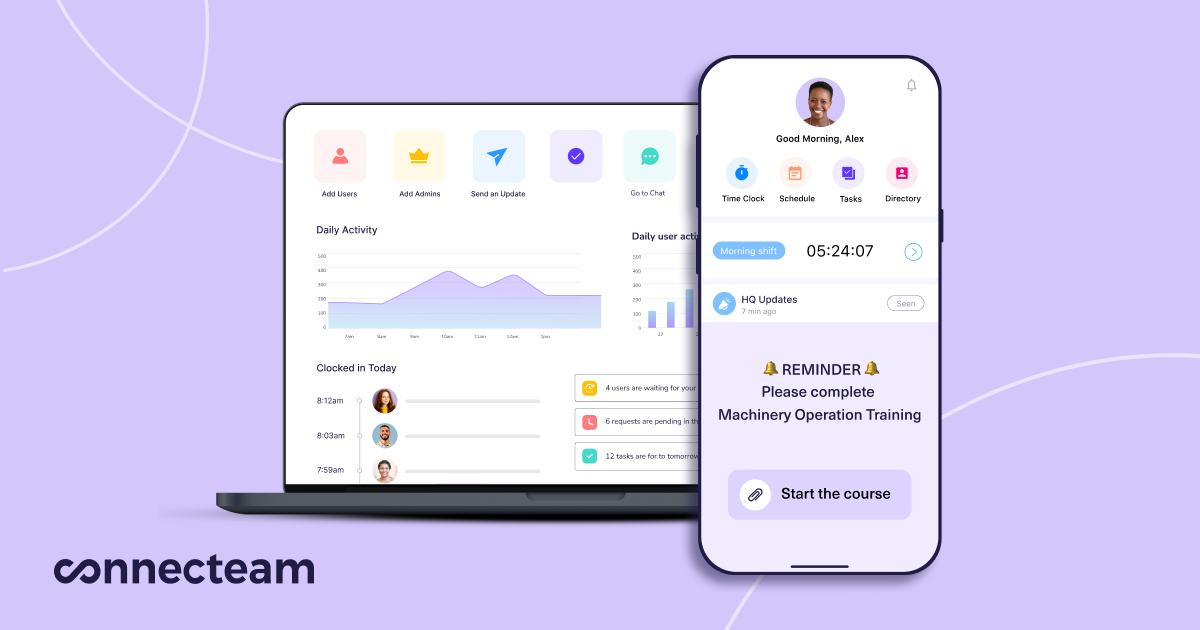
Connecteam is a workforce and operations platform that helps healthcare teams manage tasks, communication, and scheduling. While not healthcare-specific, many organizations use it for shift management and internal coordination.
The mobile-first design supports distributed teams and field staff. It includes task tracking and team messaging features. It is a good fit for teams that need lightweight operational coordination.
- How it helps healthcare teams
- manages staff schedules and shifts
- improves internal task coordination
- supports mobile team communication
- provides lightweight workflow visibility
Best fit for: teams needing simple workforce coordination.
Billing, Coding & Practice Management Apps
Revenue cycle work can create significant administrative load. These tools help streamline coding accuracy, billing workflows, and practice operations.
DrChrono
DrChrono is an integrated EHR and practice management platform that includes billing and coding capabilities. Practices use it to manage clinical documentation alongside revenue cycle workflows.
The system supports electronic prescribing and patient engagement features. Many smaller practices adopt it as an all-in-one platform. It is best suited for organizations looking for a unified clinical and billing solution.
- How it helps healthcare teams
- combines EHR and billing workflows
- supports electronic prescribing
- improves revenue cycle visibility
- reduces tool fragmentation
Best fit for: smaller practices wanting an all-in-one system.
Want to automate workflows in any EMR?
Join over 700,000+ others who are using Text Blaze templates.
Optum Coding
Optum Coding provides coding support tools designed to improve accuracy and reduce claim issues. Healthcare organizations use it to assist coders and clinicians with proper code selection.
The platform includes reference content and workflow support for coding teams. Many enterprises use it to strengthen revenue cycle performance. It is most useful for organizations focused on coding accuracy and compliance.
- How it helps healthcare teams
- improves coding accuracy
- supports compliant code selection
- reduces claim errors and rework
- assists professional coding teams
Best fit for: organizations prioritizing coding accuracy.
Tebra
Tebra is a practice management and patient engagement platform that combines scheduling, billing, and communication tools. Practices use it to centralize front-office and revenue workflows.
The platform focuses heavily on improving patient experience alongside operational efficiency. Many independent practices adopt it to replace disconnected systems. It is a strong option for clinics seeking an integrated management platform.
- How it helps healthcare teams
- centralizes scheduling and billing
- improves patient communication workflows
- streamlines front-office operations
- supports practice growth visibility
Best fit for: independent practices seeking an integrated platform.
What is the Best App for Healthcare Professionals?
There is no single best app for healthcare professionals because the right choice depends on where your team loses the most time. Some teams struggle most with documentation, while others feel the biggest friction in communication, scheduling, or billing workflows.
Start by identifying your biggest daily bottleneck and choose tools that directly reduce that workload.
For many clinicians, documentation is the fastest place to reclaim time. Text Blaze is especially helpful here because it automates repetitive charting tasks, standardizes note templates, and reduces after-hours documentation without requiring major workflow changes.