Top Compliance Workflow Automation Software in 2026
Compare the best compliance workflow automation software and learn how it helps teams manage approvals, documentation, and audit-ready processes.

Compliance requirements touch nearly every team in an organization. Support reps need to send approved responses. HR teams must document employee communications. Managers and executives need clear records showing policies were followed.
Many companies still handle these processes through email threads, spreadsheets, and manual approvals. That approach makes it difficult to maintain consistency, track documentation, and prepare for audits.
Compliance workflow automation software helps teams standardize these processes. Instead of relying on memory or manual review, workflows guide actions, enforce policies, and record activity automatically.
In this guide, we'll explain how compliance workflows work, how automation improves them, and cover the 10 best compliance workflow automation software tools you can use to manage regulatory processes.
What is a Compliance Workflow?
A compliance workflow is a structured process that ensures policies, approvals, and documentation are handled in a consistent and traceable way. These workflows help organizations follow regulatory requirements and internal policies while creating a clear record of what actions occurred.
A typical compliance workflow defines who performs each step, when approvals are required, and how activity is documented. This structure helps teams avoid missed approvals, incomplete documentation, or inconsistent messaging.
For example, support teams may be required to use approved templates when responding to customers. HR teams may need documented approval before sending certain employee communications. Financial teams may have to include required disclosures in outbound messages.
By building these requirements into a structured workflow, organizations can ensure communications follow policy, approvals happen when required, and records are automatically logged for future audits.
What is Compliance Workflow Automation?
Compliance workflow automation is the use of software to automatically manage and enforce compliance-related processes. Instead of manually tracking tasks or approvals, automation software routes work, applies rules, and records activity in the background.
Automation helps organizations handle repetitive compliance tasks that occur across departments. These tasks often include reviewing communications, documenting approvals, storing records, and verifying that required steps occurred before actions are completed.
Common elements of compliance workflow automation include:
Approval routing - Tasks are automatically sent to the correct reviewer before actions are finalized.
Documentation logging - Messages, approvals, and decisions are automatically recorded for future audits.
Policy enforcement - Required language, templates, or fields ensure communications meet company policies.
Activity tracking - Every step of the workflow is recorded to create an audit-ready history.
Alerts and notifications - Teams receive reminders when approvals or reviews are required.
Organizations often implement workflow automation software to manage these tasks at scale. When compliance workflows run automatically, teams can follow policies consistently without slowing down everyday work.
Want to streamline your team's communication & workflows?
Join over 700,000+ others who are automating workflows with Text Blaze.
How Compliance Workflows Typically Work
Compliance workflows follow a structured set of steps designed to ensure that policies are followed before actions are completed.
Most regulatory compliance workflows include several core stages.
1. Policy or requirement is defined
The process begins with a policy, regulation, or internal rule that must be followed. This might include customer communication guidelines, financial disclosure requirements, or employee documentation standards.
Clear policies define what must happen before communication or decisions are finalized.
2. Workflow rules are created
Teams define rules that control how the workflow operates. These rules determine who reviews requests, what approvals are required, and what documentation must be recorded.
Workflow automation software ensures these rules are applied consistently across teams.
3. Reviews and approvals occur
When a task is triggered, the system routes it to the appropriate reviewer. This might include compliance officers, managers, HR leaders, or legal teams depending on the situation.
Automated routing reduces delays and ensures no required review steps are skipped.
4. Communication or action is executed
Once approvals are completed, the action moves forward. This might include sending a customer message, issuing an internal policy update, or approving a regulated transaction.
Because the workflow enforces policy steps, teams can act with confidence that requirements were followed.
5. Activity is logged for auditing
All actions within the workflow are recorded automatically. Documentation typically includes timestamps, approvals, messages, and policy references.
These records help organizations demonstrate compliance during internal reviews or external regulatory audits.
Compliance Workflow Automation Examples
Compliance workflows appear across many business operations. Automation helps teams handle these processes consistently without relying on manual tracking.
Here are some common compliance workflow automation examples:
Customer support communication compliance
Support teams often communicate with customers about billing, refunds, policies, or account actions. These team communications may need to follow strict language guidelines to avoid legal or regulatory issues.
Compliance workflows can require approved templates, ensure specific disclosures appear in messages, and log conversations for review.
Tools that automate support workflows help teams respond quickly, like in a service desk, while maintaining consistent policy compliance.
HR communication and documentation workflow
Human resources teams frequently manage communications that require careful documentation. This includes employee policy notices, disciplinary communication, and onboarding documentation.
Workflow automation software can require approvals before certain business communications are sent, ensure required language is included, and store records automatically.
This reduces the risk of missing documentation that may be required during internal investigations or compliance reviews.
Financial communication review workflow
Organizations operating in regulated industries often need to review external communications before they are sent. Sales teams, advisors, or account managers may need approval before sharing financial information with customers.
A regulatory compliance workflow can route messages through compliance teams, verify required disclosures, and document approval before communication is delivered.
Automation ensures financial communications follow policy requirements without creating excessive delays.
Audit documentation workflow
Audits require organizations to provide clear records showing policies were followed. Without structured workflows, gathering this information can take significant time.
Compliance workflow automation software can automatically collect documentation during normal operations. Messages, approvals, and policy acknowledgments are recorded as they occur.
When audits happen, organizations already have the evidence needed to demonstrate compliance.
Best Compliance Workflow Automation Software
As compliance processes grow, managing approvals, documentation, and communication reviews manually becomes difficult. Teams often rely on email threads, spreadsheets, or scattered systems to track compliance tasks.
Compliance workflow automation software helps centralize these processes. It can route approvals, enforce policy rules, and automatically record compliance activity so organizations maintain consistent workflows and audit-ready documentation.
Here are some tools organizations use to manage compliance workflows and automate compliance processes:
Text Blaze
Text Blaze is a different kind of compliance workflow automation tool. Instead of offering a dashboard, Text Blaze goes with you wherever you (or your team) works. Text Blaze helps you create dynamic, interactive, smart templates that help guide your team's workflows and decision-making.
With Text Blaze, you can automate repetitive typing & communications, and get to the right message or decision in every interaction.
Here's why 700,000+ use Text Blaze:
100% seamless integration. Automate emails & messages to customers with dynamic, smart templates that work in any site, app, help desk, email platform, CRM, etc.
Create SOP templates that integrate right where you already work. Text Blaze integrates into your tech stack seamlessly.
Get the correct response & decision in every interaction. Text Blaze helps you get the right message every time.
Reduce mistakes with templates that help agents stay consistent and on-brand.
Streamline repetitive workflows, like transferring data, filling out forms, sending an email, or any other repetitive workflow.
Text Blaze is perfect for support teams! Learn more about using Text Blaze for teams to supercharge your team's communication and productivity!
Best for - communication compliance and standardized messaging workflows
Pricing - free plan available with paid plans for advanced features
Want to streamline your team's communication & workflows?
Join over 700,000+ others who are automating workflows with Text Blaze.
Vanta
Vanta is a compliance automation platform that helps organizations manage security and regulatory frameworks such as SOC 2, ISO 27001, and HIPAA. The platform automates evidence collection and tracks compliance activities across systems and teams.
Companies use Vanta to automate compliance workflows such as policy approvals, control monitoring, and audit preparation. By continuously collecting documentation and monitoring systems, the software helps organizations maintain audit readiness and reduce the manual work involved in compliance management.
Best for - security and regulatory compliance automation
Pricing - custom pricing based on company size and compliance needs
Smarsh
Smarsh provides digital communication archiving and supervision tools used by organizations operating in regulated industries. The platform captures communications across email, messaging platforms, and collaboration tools to ensure they are stored and monitored for compliance.
Compliance teams use Smarsh to maintain records of communications, supervise conversations for policy violations, and produce documentation required during audits or regulatory reviews. By archiving messages and enabling compliance oversight, the system helps organizations maintain compliant communication practices.
Best for - communication monitoring and archiving for regulated industries
Pricing - custom enterprise pricing
Drata
Drata is a compliance automation platform designed to help organizations manage regulatory requirements and security certifications. It integrates with business systems to automatically collect compliance evidence and track required controls.
The platform helps teams manage compliance workflows by monitoring systems, documenting policy approvals, and maintaining records needed for audits. Drata also provides dashboards that give compliance teams visibility into their compliance status and outstanding tasks.
Best for - automated compliance monitoring and audit readiness
Pricing - custom enterprise pricing
Hyperproof
Hyperproof is a compliance operations platform that helps organizations manage governance, risk, and compliance processes. It allows teams to coordinate compliance tasks, track approvals, and collect documentation in a structured system.
Organizations use Hyperproof to manage compliance workflows across departments, ensuring tasks such as risk reviews, policy approvals, and documentation collection are completed on time. The platform also provides reporting tools that help leaders monitor compliance progress and identify potential risks.
Best for - managing compliance programs across teams
Pricing - custom enterprise pricing
ServiceNow
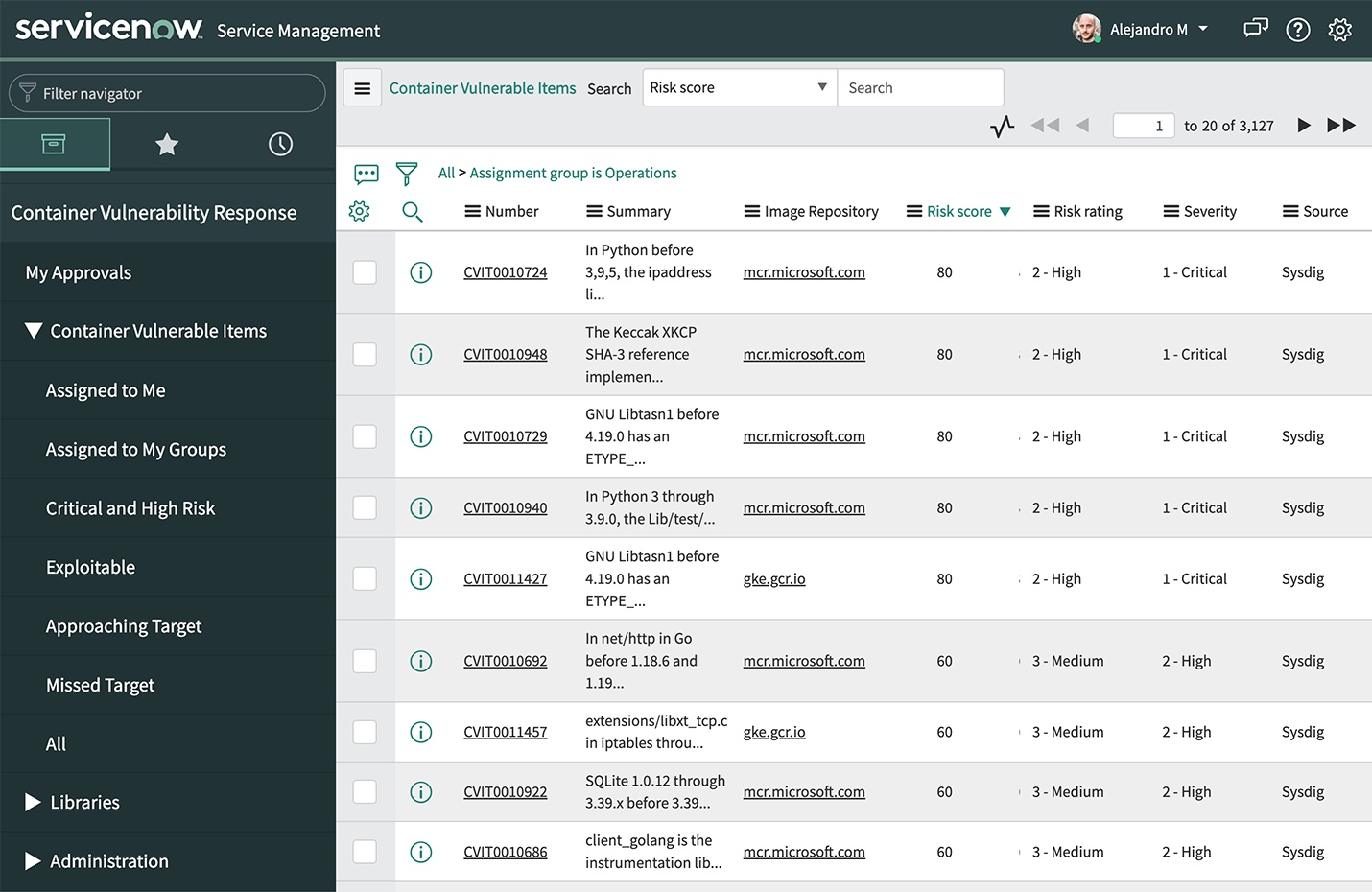
ServiceNow is an enterprise workflow automation platform used by large organizations to manage operational processes, including compliance and regulatory workflows. It allows teams to build automated workflows that connect multiple departments and systems.
Companies often use ServiceNow to route compliance approvals, document regulatory processes, and manage policy enforcement across complex organizations. Because it integrates with many enterprise systems, it can centralize compliance workflows within broader operational processes.
Best for - enterprise workflow automation and regulatory process management
Pricing - custom enterprise pricing
Want to streamline your team's communication & workflows?
Join over 700,000+ others who are automating workflows with Text Blaze.
How to Choose Compliance Workflow Software
The right compliance workflow software should help teams follow policies and procedures during everyday work. Instead of relying on memory or manual checks, your system should guide employees through the correct steps when handling communications, requests, or approvals.
When evaluating workflow automation software, look for features that make compliance processes clear, consistent, and easy for teams to follow.
Automation capabilities - The software should automate repetitive steps such as routing tasks to the right person or triggering required actions before work is completed.
SOP and decision-tree support - Teams should be able to guide employees through standard operating procedures (SOPs) or decision trees so they know exactly how to handle different situations.
Integration options - Compliance workflows often interact with communication tools, HR platforms, and customer support systems.
Approval routing - The system should allow tasks or communications to be routed to managers or compliance reviewers when approvals are required.
Reporting and visibility - Leaders should be able to see workflow progress and identify compliance risks quickly.
Choosing software that supports structured processes, routing rules, and standardized messaging helps organizations maintain compliant workflows while keeping daily operations efficient.
What Is the Best Compliance Workflow Automation Software?
The best compliance workflow automation software depends on how your organization manages policies, approvals, and day-to-day communication. Some companies need platforms that manage large compliance programs and regulatory frameworks, while others need tools that help teams follow clear procedures when sending messages or handling requests.
For many teams, compliance issues arise during everyday communication. Customer support responses, HR notices, financial disclosures, and internal documentation often need to follow specific language and approval rules. Workflow automation software helps guide employees through these processes so policies are followed consistently.
In situations where communication compliance is important, tools that support templates, routing, and standardized responses can play a key role. Text Blaze allows teams to create approved messaging templates and workflows so employees can send consistent, policy-aligned communications without slowing down their work.