12 Best Hiring Automation Software for Recruiters in 2026
Compare the best hiring automation software for recruiters, including tools for sourcing, screening, scheduling, and candidate communication.

Hiring often involves dozens of repetitive tasks. Recruiters spend hours screening resumes, coordinating interview times, sending follow-up emails, and updating candidate pipelines. These manual steps slow down hiring and make it harder to focus on evaluating candidates and building relationships.
Hiring automation helps reduce this manual workload. By automating common recruiting tasks, teams can move candidates through the pipeline faster, communicate more consistently, and keep hiring processes organized.
In this guide, we'll explain what hiring automation is, how it works, and cover the 12 best hiring automation software recruiters can use to streamline their workflows in 2026
What Is Hiring Automation?
Hiring automation refers to using software to automate repetitive recruiting tasks across the hiring process. Instead of manually handling every step, recruiters can rely on automation tools to manage candidate communication, resume screening, scheduling, and pipeline updates.
The goal of hiring automation is to reduce manual work while improving consistency and speed. Recruiters still make the hiring decisions, but software helps handle the operational side of the process.
When implemented well, hiring automation allows recruiters to focus more on evaluating candidates and less on administrative tasks.
Types of Hiring Automation Software
Hiring automation can support several stages of the recruiting workflow. Different types of software focus on specific parts of the hiring process, plus many are low-code, meaning they're easier to use.
Here are some examples of hiring automation software:
Candidate communication automation
Candidate communication automation tools help recruiters send messages quickly and consistently. These tools can generate outreach emails, follow-ups, interview confirmations, and status updates, like on LinkedIn.
Automation helps ensure candidates receive timely responses while reducing the time recruiters spend writing repetitive messages. Communication templates and automated triggers can also keep messaging consistent across hiring teams.
Resume screening and candidate matching
Resume screening tools help recruiters evaluate large volumes of applications more efficiently. These platforms automatically analyze resumes, identify relevant skills, and highlight candidates who match the role requirements.
Many systems use AI models or rule-based filters to rank candidates based on experience, qualifications, and job fit. This helps recruiters focus on the most promising applicants first.
Interview scheduling automation
Interview scheduling is one of the most time-consuming parts of recruiting. Scheduling automation tools coordinate availability between candidates and interviewers without manual back-and-forth emails.
These tools automatically generate meeting links, update calendars, and send reminders to reduce scheduling conflicts and no-shows.
Applicant tracking systems (ATS)
Applicant tracking systems manage the entire recruiting pipeline. They organize candidate profiles, track hiring stages, store interview feedback, and centralize communication across the hiring team.
Most ATS platforms also include automation features such as resume parsing, automated stage transitions, and candidate messaging workflows.
Recruitment marketing and sourcing automation
Recruitment marketing tools help teams attract and engage candidates before they apply. These platforms automate talent pipeline management, candidate outreach campaigns, and employer branding initiatives.
They also help recruiters identify potential candidates in external talent pools and maintain ongoing engagement with passive candidates.
Want to save hours of repetitive typing for free?
Join over 700,000+ others who are using Text Blaze templates.
Benefits of Hiring Automation
Hiring automation helps recruiters handle large volumes of candidates while keeping processes organized and efficient. Instead of managing each step manually, teams can automate common recruiting tasks.
Here are some benefits of implementing hiring automation software:
Faster hiring cycles - Automated scheduling, screening, and communication reduce delays in the recruiting pipeline.
Reduced administrative workload - Recruiters spend less time writing emails, coordinating interviews, and updating candidate records.
More consistent candidate communication - Automated templates and workflows ensure candidates receive timely updates.
Improved candidate screening - Resume parsing and candidate matching tools help recruiters identify qualified applicants faster.
Better hiring pipeline visibility - Automation tools track candidate stages and provide insights into hiring progress.
When used strategically, hiring automation allows recruiting teams to focus on candidate evaluation and relationship building instead of administrative work.
12 Best Hiring Automation Software for Recruiters
Each hiring automation software listed below focuses on different parts of the recruiting workflow. Some platforms help manage the entire hiring pipeline, while others automate tasks like candidate communication, interview scheduling, or talent sourcing.
Evaluate the tools below to determine which one works best for you, your team, and the workflow you want to automate.
Here's our list of the 12 best hiring automation software for recruiters:
1. Text Blaze
Text Blaze helps recruiters automate repetitive typing with keyboard shortcuts & dynamic text templates that work on any site or app.
With Text Blaze, you can automate communications & workflows, personalize at scale, and make sure you get the right message in every interaction.
Key features:
Automate emails & communications to candidates with dynamic, smart templates that work in any site or app.
Keep communications consistent and on brand. Text Blaze helps you get the right message every time, in every interaction.
Streamline repetitive workflows, like transferring data, filling out forms, sending an email, or any other repetitive workflow.
Text Blaze is perfect for recruiting teams! Learn more about using Text Blaze for teams to supercharge your team's communication and productivity!
Want to save hours of repetitive typing for free?
Join over 700,000+ others who are using Text Blaze templates.
2. Greenhouse
Greenhouse is an applicant tracking system designed to help recruiting teams manage structured hiring workflows. The platform organizes candidate profiles, interview feedback, and hiring decisions within a single system.
Automation features help recruiters move candidates through hiring stages, schedule interviews, and send candidate communications automatically. It is commonly used by companies that want a structured approach to recruiting with consistent evaluation processes.
Key features:
- Automated candidate stage management
- Interview scheduling and coordination
- Centralized candidate profiles and feedback
- Hiring pipeline reporting and analytics
3. Lever
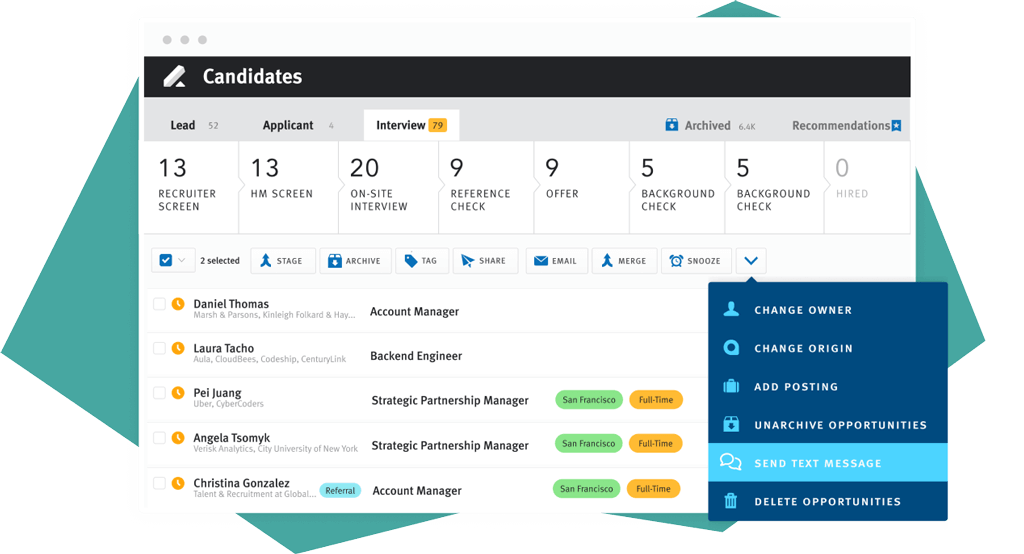
Recruiting teams often struggle to keep candidate pipelines organized while maintaining communication with applicants. Lever helps address this by combining applicant tracking with candidate relationship management in one platform.
Recruiters can automate pipeline updates, candidate messaging, and resume parsing to reduce manual work. The platform is widely used by growing companies that want to manage both active applicants and long-term talent pipelines.
Key features:
- Automated candidate pipeline tracking
- Resume parsing and candidate matching
- Candidate communication workflows
- Talent relationship management tools
4. Workable
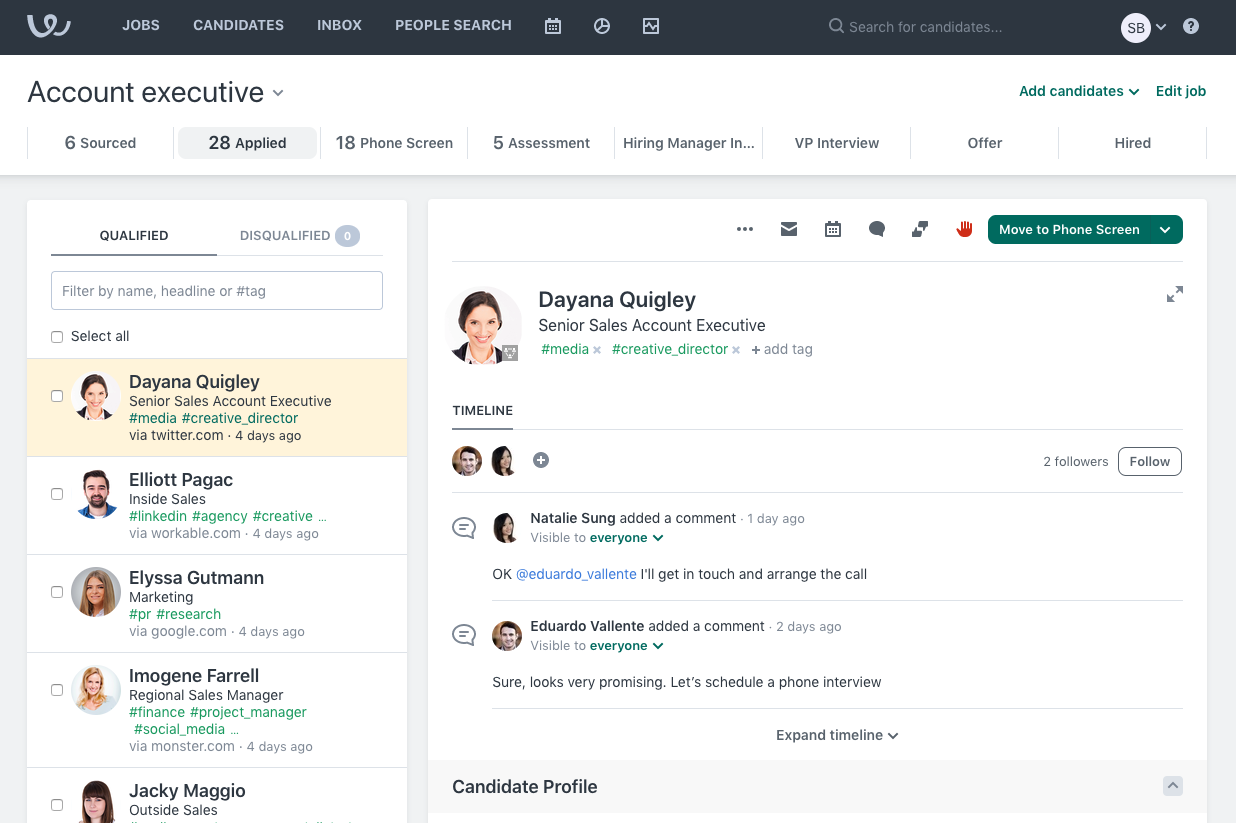
Managing job postings, applications, and interview scheduling can quickly become time consuming for recruiters. Workable simplifies this process by automating several parts of the hiring workflow.
The platform distributes job listings across job boards, organizes incoming applications, and helps recruiters screen candidates efficiently. It is commonly used by small and mid-sized companies that want an organized recruiting process.
Key features:
- Automated job posting across job boards
- Resume screening and candidate filtering
- Interview scheduling automation
- Centralized applicant management
5. Ashby
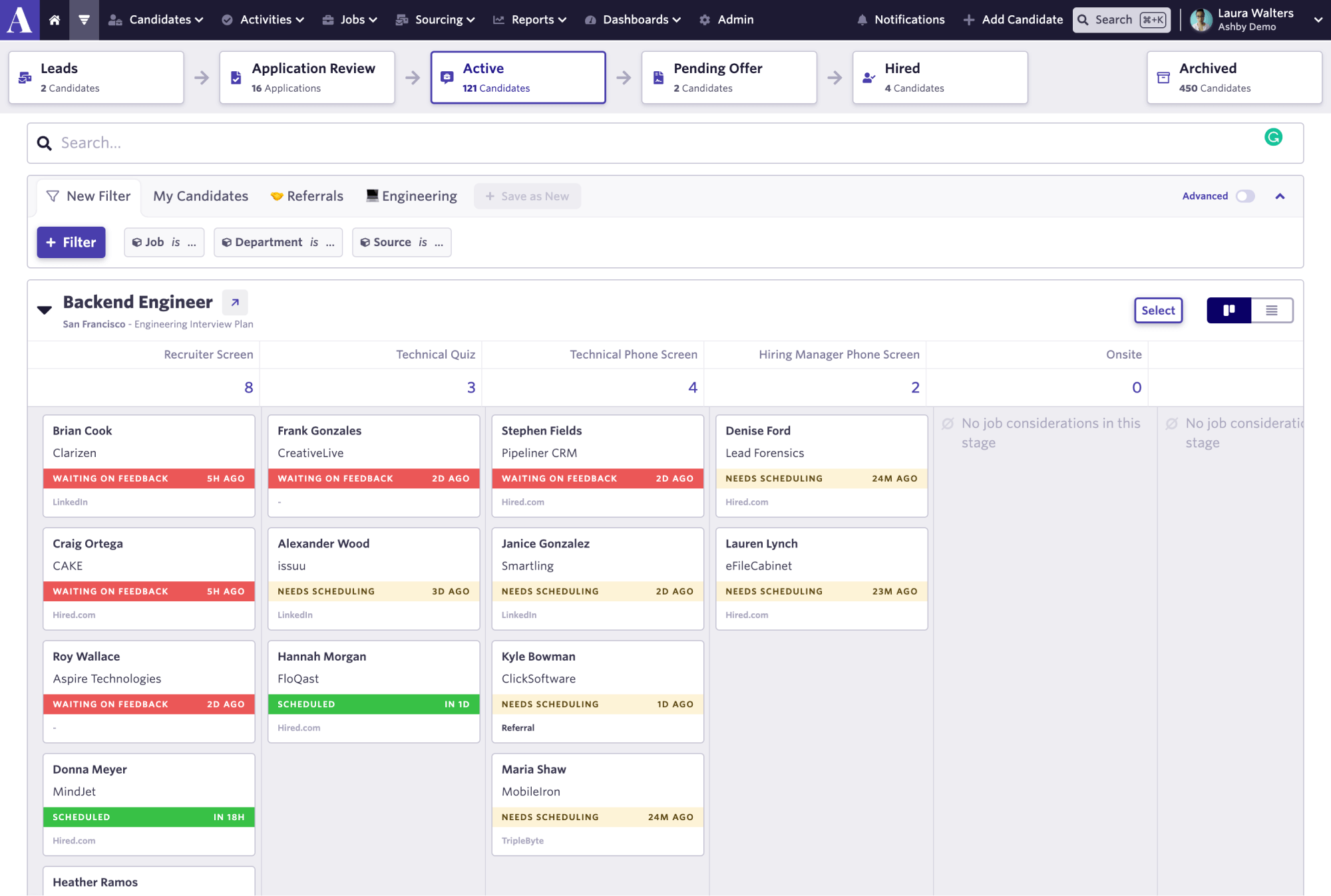
Ashby is a recruiting platform that combines applicant tracking with workflow automation and analytics. Recruiters can manage candidate pipelines while automating interview scheduling and hiring stage updates.
The platform also provides detailed recruiting data that helps teams understand pipeline performance. Ashby is often used by fast-growing companies that want visibility into recruiting metrics while maintaining efficient hiring workflows.
Key features:
- Automated pipeline stage management
- Interview scheduling coordination
- Recruiting analytics and reporting
- Candidate profile management
6. Breezy HR
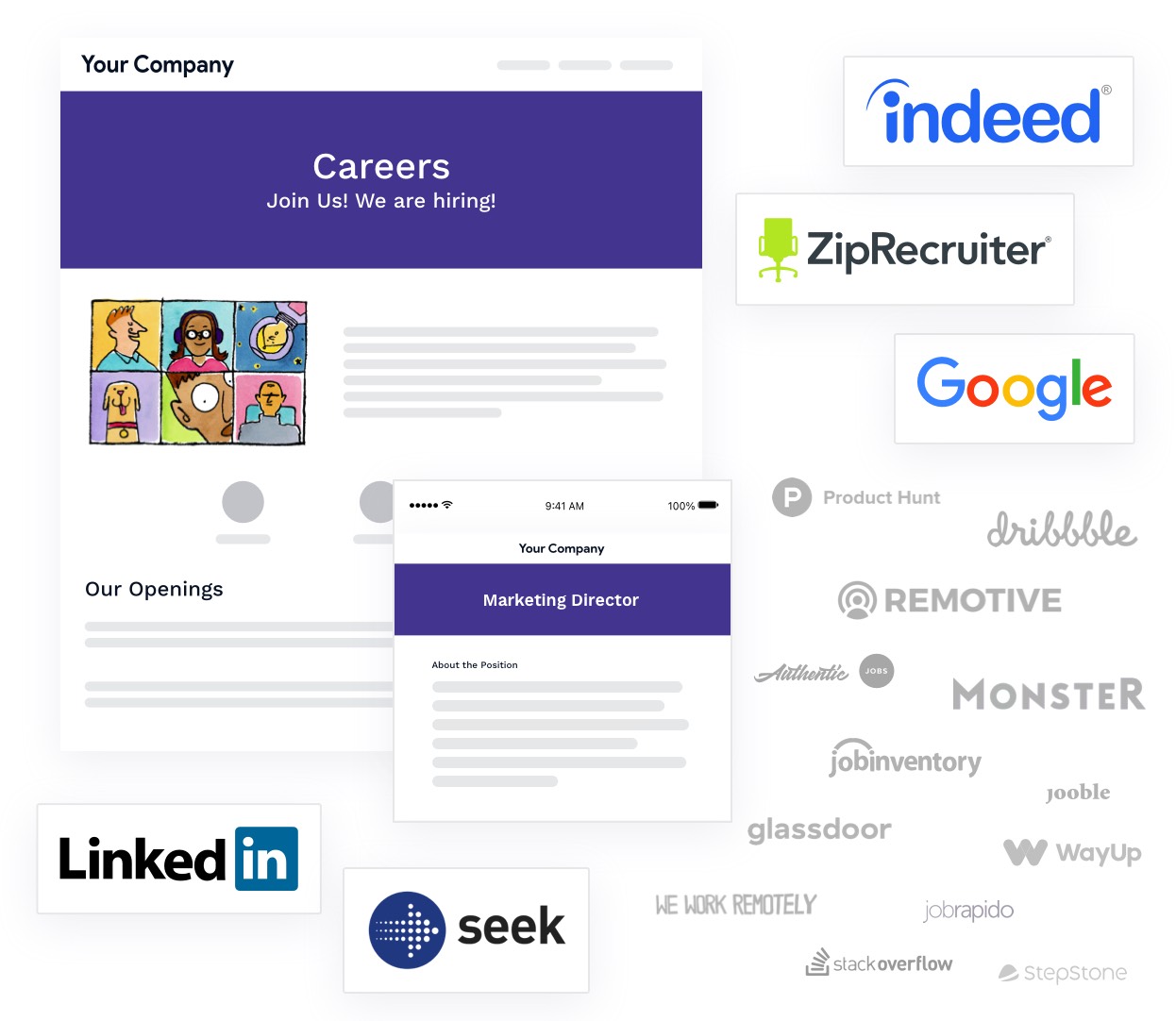
An organized hiring pipeline helps recruiters manage candidates more efficiently. Breezy HR focuses on simplifying hiring workflows with a visual applicant tracking system.
Recruiters can automate candidate messaging, resume parsing, and interview scheduling within the platform. The system is commonly used by small businesses and startups that want a straightforward recruiting solution.
Key features:
- Visual candidate pipeline management
- Resume parsing and applicant tracking
- Automated interview scheduling
- Candidate messaging tools
7. Paradox
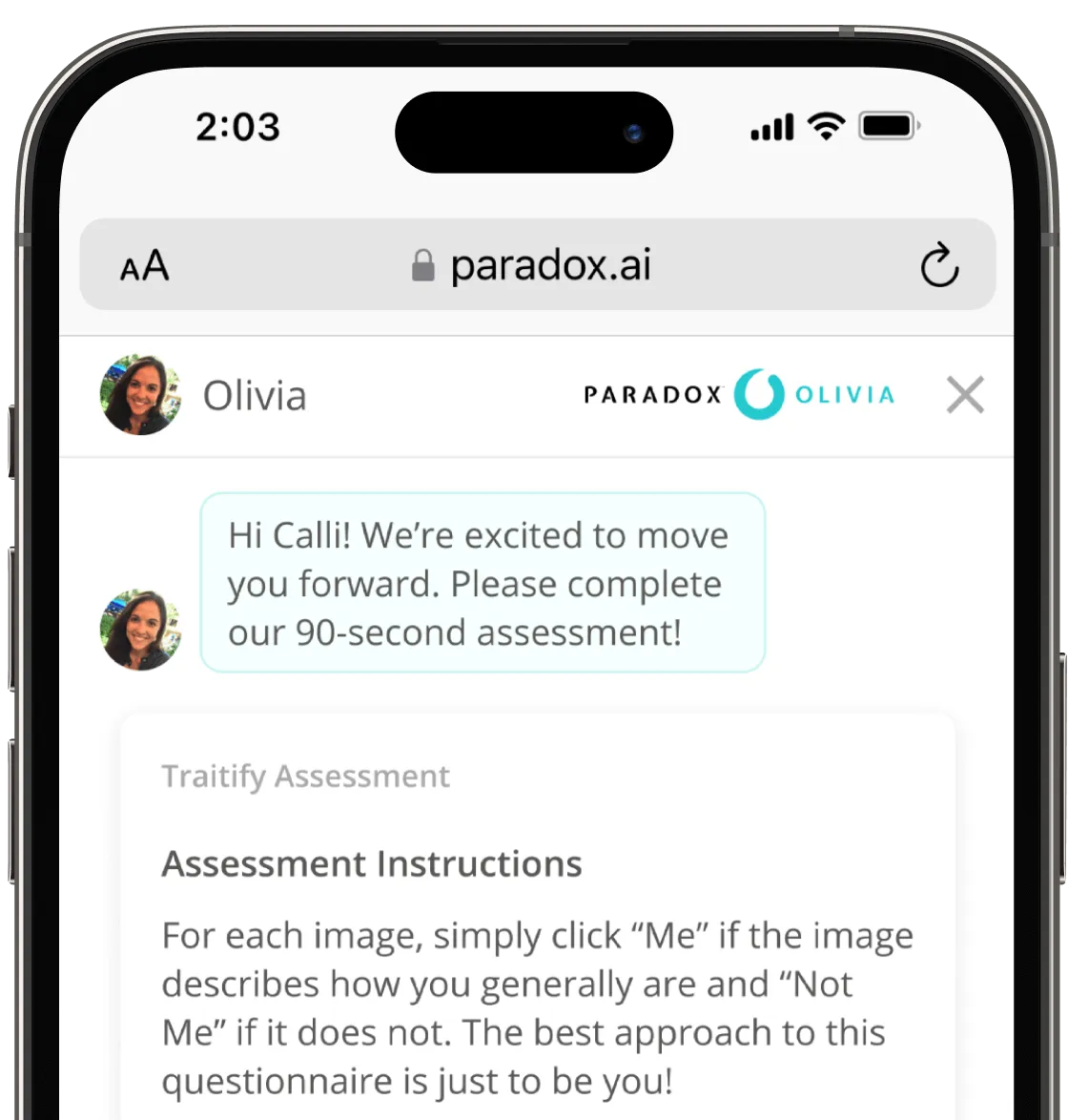
Paradox AI is a conversational recruiting platform that helps teams automate early candidate interactions. Its chatbot technology can answer applicant questions, screen candidates, and schedule interviews automatically.
This reduces the amount of manual communication recruiters need to handle during early hiring stages. Paradox is frequently used by companies that manage large volumes of job applicants.
Key features:
- AI chatbot for candidate communication
- Automated interview scheduling
- Candidate screening automation
- Integration with applicant tracking systems
Want to save hours of repetitive typing for free?
Join over 700,000+ others who are using Text Blaze templates.
8. GoodTime
Coordinating interviews between candidates and hiring teams often requires multiple emails and calendar adjustments. GoodTime focuses on automating interview scheduling to eliminate this back-and-forth coordination.
Recruiters can automatically generate interview schedules, send invitations, and track scheduling performance. The platform is especially helpful for companies with complex multi-stage interview processes.
Key features:
- Automated interview scheduling
- Calendar integration for interview coordination
- Candidate interview reminders
- Interview scheduling analytics
9. Eightfold AI
Eightfold AI focuses on candidate matching and talent intelligence to help recruiters identify qualified candidates faster. The platform analyzes resumes, skills, and career paths to recommend candidates who match open roles.
Recruiters can automate parts of the screening process while prioritizing candidates who meet role requirements. The system is often used by larger organizations that want advanced candidate discovery capabilities.
Key features:
- AI-powered candidate matching
- Resume analysis and screening automation
- Talent intelligence insights
- Internal mobility recommendations
10. Beamery
Beamery is a recruitment marketing platform designed to help companies build and nurture talent pipelines. Recruiters can automate candidate outreach campaigns and maintain engagement with passive candidates over time.
The platform also helps organizations manage talent communities and track candidate engagement. Beamery is commonly used by companies focused on long-term recruiting strategies.
Key features:
- Automated candidate outreach campaigns
- Talent pipeline management
- Candidate engagement tracking
- Recruitment marketing workflows
11. SeekOut
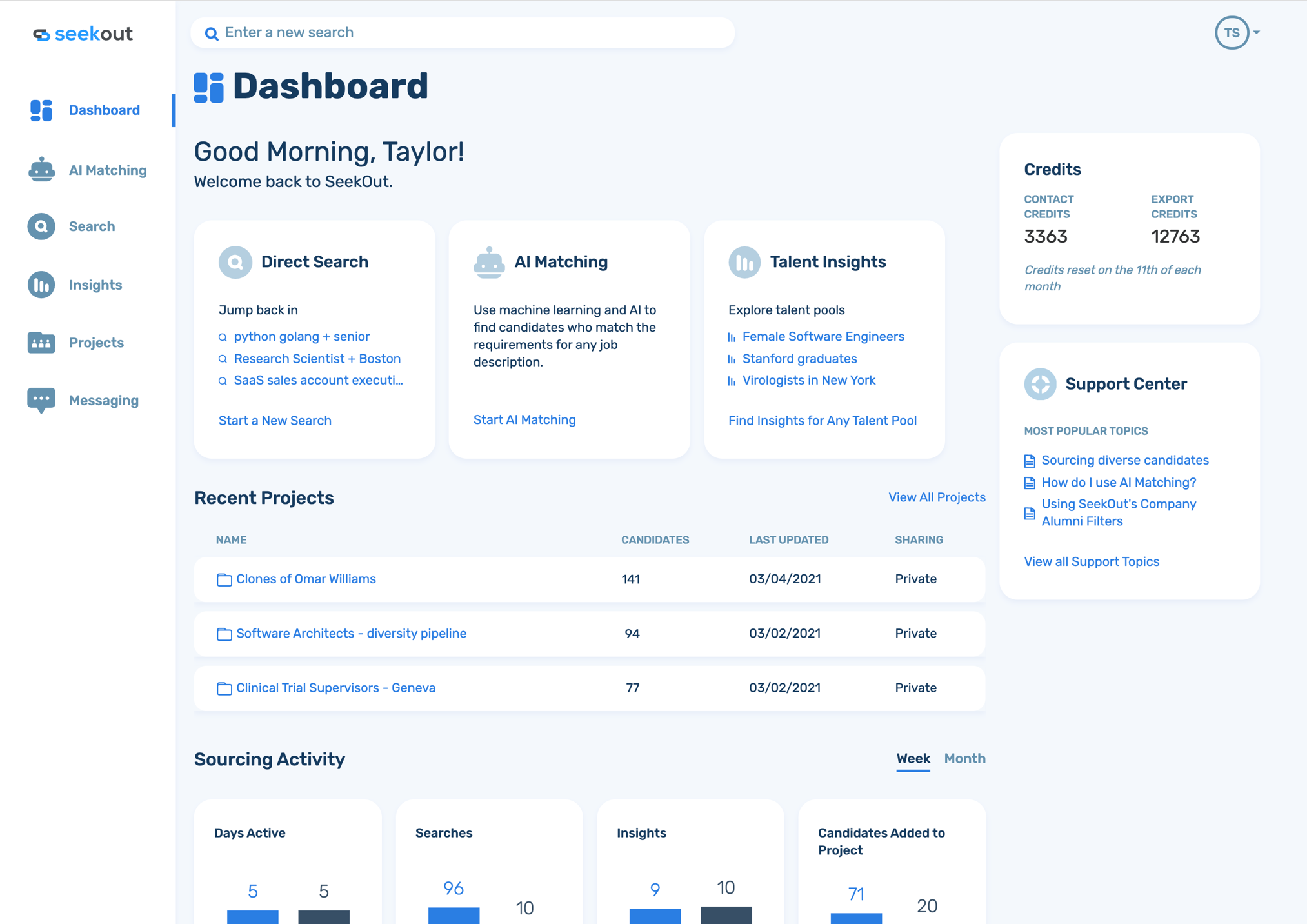
Finding qualified candidates for specialized roles can take significant time for recruiting teams. SeekOut helps automate talent sourcing by aggregating candidate profiles from multiple data sources.
Recruiters can filter candidates by skills, experience, and other attributes to identify potential matches. The platform is widely used for technical recruiting and sourcing specialized talent.
Key features:
- Automated candidate sourcing
- Advanced talent filtering tools
- Candidate profile aggregation
- Diversity recruiting insights
12. HireVue
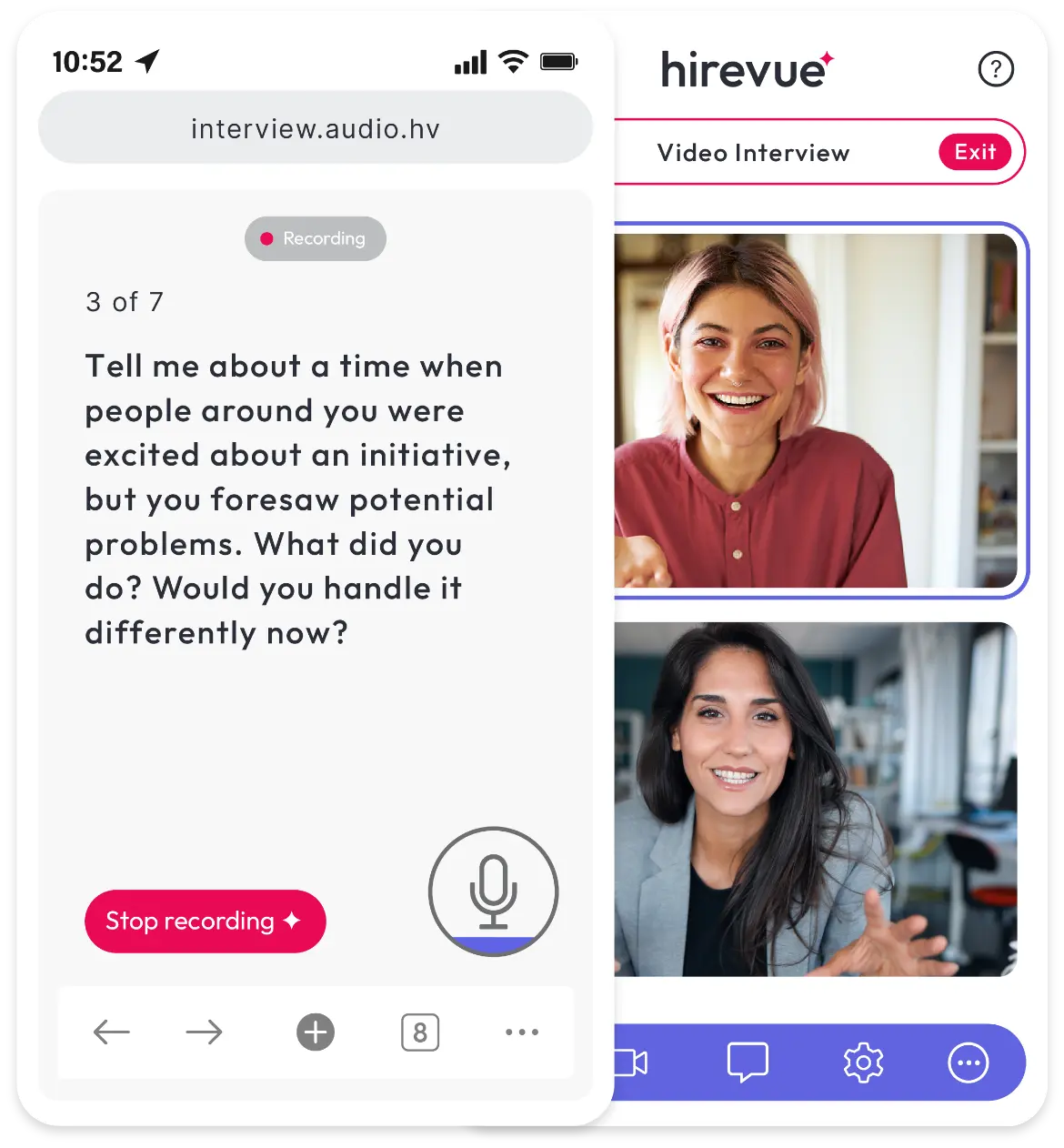
HireVue provides video interviewing and candidate assessment tools that automate early-stage hiring steps. Recruiters can invite candidates to complete video interviews and skill assessments remotely.
Hiring teams can review responses asynchronously, which reduces scheduling delays. HireVue is commonly used by organizations that manage large applicant pools and want to streamline candidate screening.
Key features:
- On-demand video interviews
- Automated candidate assessments
- Candidate screening workflows
- Interview evaluation tools
Want to save hours of repetitive typing for free?
Join over 700,000+ others who are using Text Blaze templates.
Best Practices for Automating Hiring Processes
Hiring automation works best when it supports recruiters rather than replacing human judgment. A thoughtful approach helps ensure automation improves efficiency without hurting candidate experience.
Here are some best practices to follow while automating your hiring processes:
Automate repetitive tasks first - Start with scheduling, candidate messaging, and resume screening before automating more complex workflows.
Maintain human oversight - Recruiters should review automated decisions and candidate recommendations to ensure accuracy.
Keep communication personal - Use automation to send messages quickly, but personalize key interactions with candidates.
Monitor candidate experience - Evaluate how automation affects response times, interview scheduling, and candidate satisfaction.
Integrate tools carefully - Ensure hiring automation software works well with existing ATS, HR systems, and communication platforms.
When implemented thoughtfully, automation helps recruiters manage hiring pipelines more efficiently while still maintaining meaningful candidate interactions.
What Is the Best Hiring Automation Software?
The best hiring automation software depends on which parts of the recruiting workflow a team wants to streamline. Some recruiting teams rely on platforms that manage the entire hiring pipeline, while others focus on automating repetitive tasks like candidate communication or interview scheduling.
For many recruiters, communication is one of the most time-consuming parts of the hiring process. Outreach emails, interview instructions, follow-ups, and rejection messages often require writing similar responses again and again.
Automating these interactions can significantly reduce administrative work while keeping candidate communication consistent.
One tool that helps automate this type of recruiting communication is Text Blaze. Recruiters can create reusable snippets for candidate outreach, interview scheduling messages, rejection emails, and other common responses. Because it works directly inside websites, email platforms, and applicant tracking systems, Text Blaze allows recruiters to respond quickly while maintaining personalized candidate communication.