Top 20 Free Power Automate Alternatives in 2026
Use these free Power Automate alternatives to set up smarter, more efficient processes and workflows in 2026.

For many Windows users, the operating system serves as the primary platform for a wide variety of daily tasks, whether it be for work or personal use.
In a world where efficiency is key, it is necessary to utilize tools that not only speed up repetitive tasks but also streamline workflows to save time and effort.
According to McKinsey research, about 50% of all work can be automated.
Automation tools step in here, offering a chance to enhance productivity significantly. While Microsoft Power Automate remains a popular choice, 2026 brings a variety of viable alternatives to the forefront for Windows users.
In this article, we'll cover the 20 best free Microsoft Power Automate alternatives that you can use to set up more efficient workflows in 2026. Let's dive in!
What is Microsoft Power Automate?
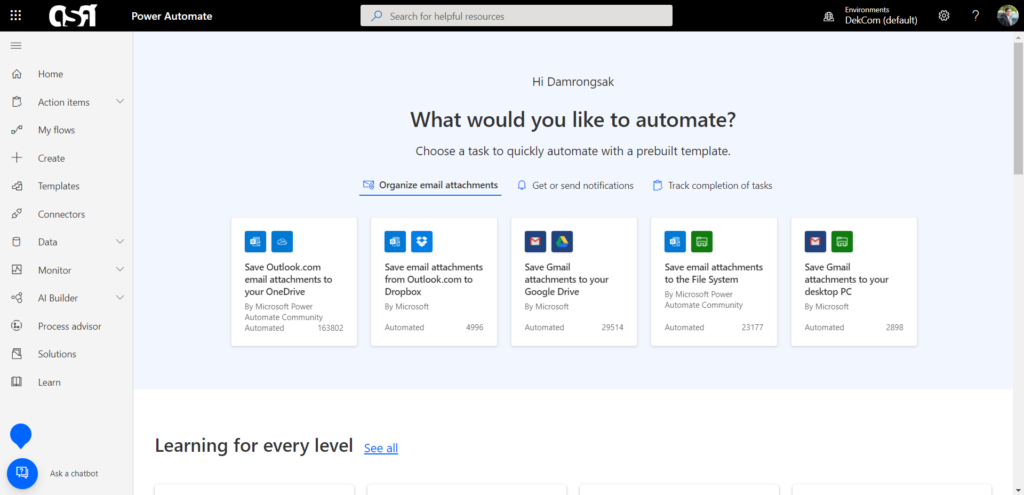
Microsoft Power Automate is an automation platform that connects apps and services to handle repetitive tasks. It is part of the Microsoft ecosystem and integrates directly with Office 365, Teams, and other tools.
Users create automated workflows that can move data, trigger notifications, and manage approvals.
What Does Power Automate Do? How to Use Power Automate
Power Automate connects different apps and services to automate routine work without the need for coding. You can build workflows, known as "flows," that save time by running tasks automatically once they are set up.
For example, you could create a flow that saves every email attachment you receive in Outlook directly to a specific folder in OneDrive. This way, instead of manually downloading and organizing files, the system handles it for you every time an email comes in.
Is Power Automate Free? Power Automate Pricing
Power Automate offers a 30 day free trial, but beyond that, you have to upgrade to a paid plan. While the free trial is nice, if you want to build useful automations, you likely need more than 30 days (building, testing, implementing, etc)
Power Automate is great for large organizations that can afford the hefty price tag, but if you're looking for a cheaper option, the alternatives below would work better for you.
Want to save hours by automating repetitive typing & workflows?
Join over 800,000+ others who are automating workflows with Text Blaze.
Pros and Cons of Power Automate
Power Automate is widely used by businesses that want to connect their apps and services with minimal effort. Like any tool, it has strengths and limitations that affect how well it fits into your workflow automation setup.
Here are the pros and cons of Power Automate:
Pros
Microsoft ecosystem integration with Office 365, Teams, SharePoint, and Outlook.
Prebuilt templates that let you set up common workflows quickly.
Cloud-based access so workflows can run from anywhere without local setup.
Scalability that supports both small automations and larger business processes.
Cons
Limited free version that restricts features and capacity.
Pricing tiers that add costs when premium connectors or higher usage are needed.
Learning curve for building advanced workflows that may require technical skills.
Performance issues when handling large amounts of data or complex processes.
Understanding these pros and cons can help you decide if Power Automate is the right fit. If the limitations outweigh the benefits, trying out Power Automate alternatives may give you more flexibility and control over your workflows.
20 Best Free Microsoft Power Automate Alternatives
If you need an alternative for Power Automate, look no further. Here's our list of the 20 best free Power Automate alternatives:
1. Text Blaze

First up on our list of free Power Automate alternatives is Text Blaze. With Text Blaze, you can automate form-filling and data transfer on any website with dynamic templates!
Text Blaze allows you to create smart text templates and insert them anywhere you work to automatically fill out forms, transfer data, automate repetitive typing, and much more.
Key features of Text Blaze:
Automate repetitive typing anywhere you work! Text Blaze works on Chrome, Windows, and Mac.
Streamline workflows like filling out forms, sending an email, or any other repetitive workflow.
Automate data entry, transfer, and extraction on any website. Read data from any open tab and use it on any other page!
Save time for free! Text Blaze is free forever, no licenses or upgrades necessary.
Who should use Text Blaze: Teams that frequently enter structured data and want a simple way to automate everyday workflows without heavy implementation. Easy for teams to implement. Learn more here.
Want to save hours by automating repetitive typing & workflows?
Join over 800,000+ others who are automating workflows with Text Blaze.
2. Zapier
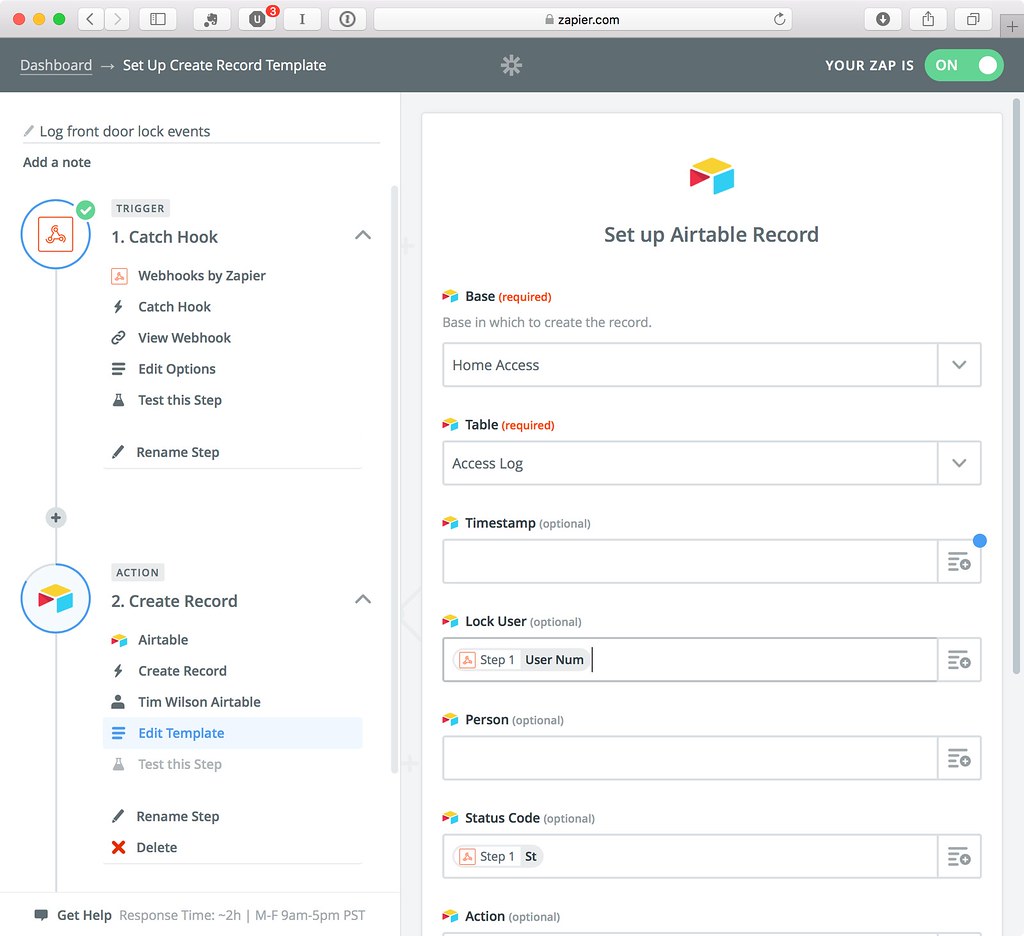
Zapier is an automation platform that connects apps so actions in one tool trigger events in another. Tools like Zapier helps reduce manual updates and keeps your systems aligned without requiring technical expertise.
Key features of Zapier:
- App integrations - Connect thousands of business apps within a single workflow.
- Multi-step workflows - Build automations that perform several actions after one trigger.
- Conditional logic - Control when workflows run based on specific criteria.
- Templates - Start quickly with prebuilt automation ideas.
- Task history - Track how your workflows run and troubleshoot issues.
Who should use Zapier: If you rely on multiple apps and feel tired of moving information between them, this can simplify your day. It works well for users who want automation without spending time learning complex systems.
3. IFTTT
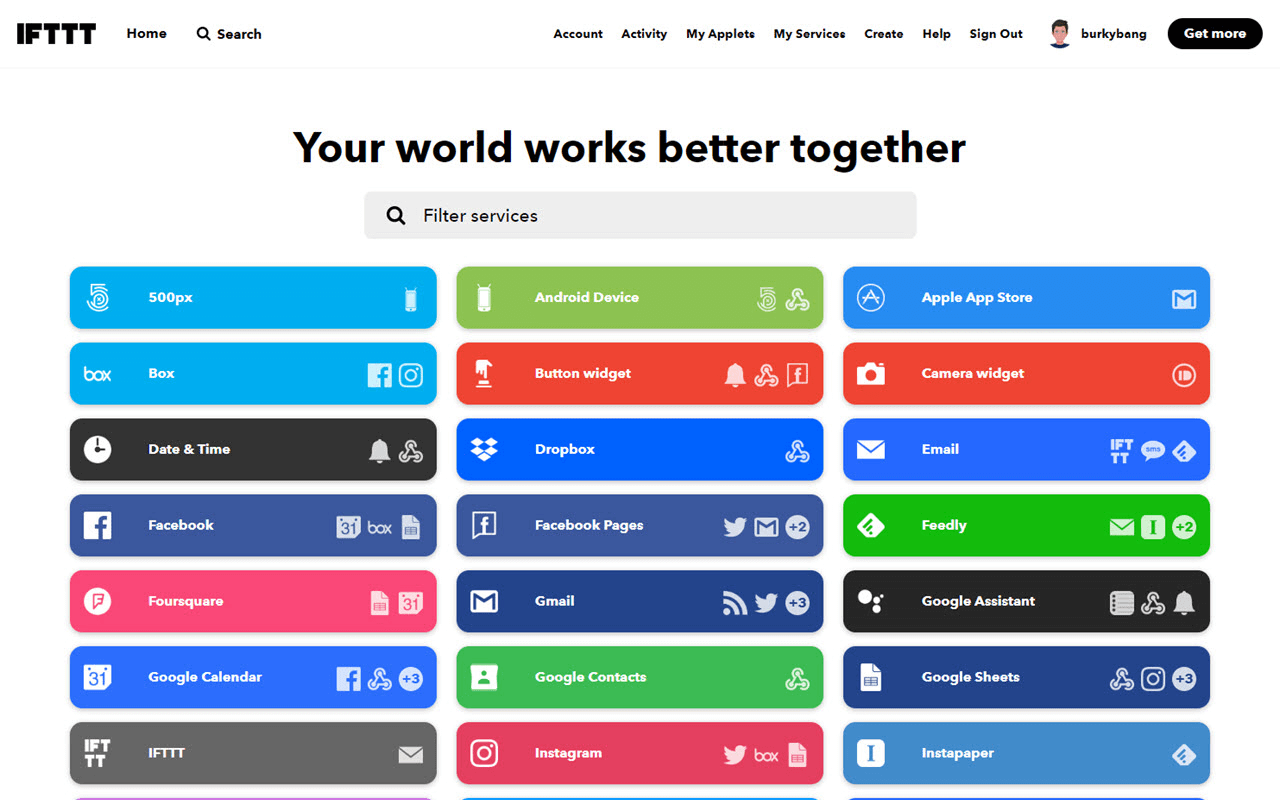
IFTTT is built around simple automation rules that connect services and devices. Tools like IFTTT focuses on making automation approachable so you can set up workflows in minutes.
Key features of IFTTT:
- Applet workflows - Create simple “if this, then that” automations.
- Device support - Connect smart devices alongside digital services.
- Notification triggers - Receive alerts based on events you define.
- Prebuilt recipes - Use community workflows to get started faster.
- Mobile integration - Trigger workflows from your phone when needed.
Who should use IFTTT: This is a strong fit if you want automation that feels straightforward instead of technical. It is great when your priority is saving time without managing complicated workflows.
4. N8N
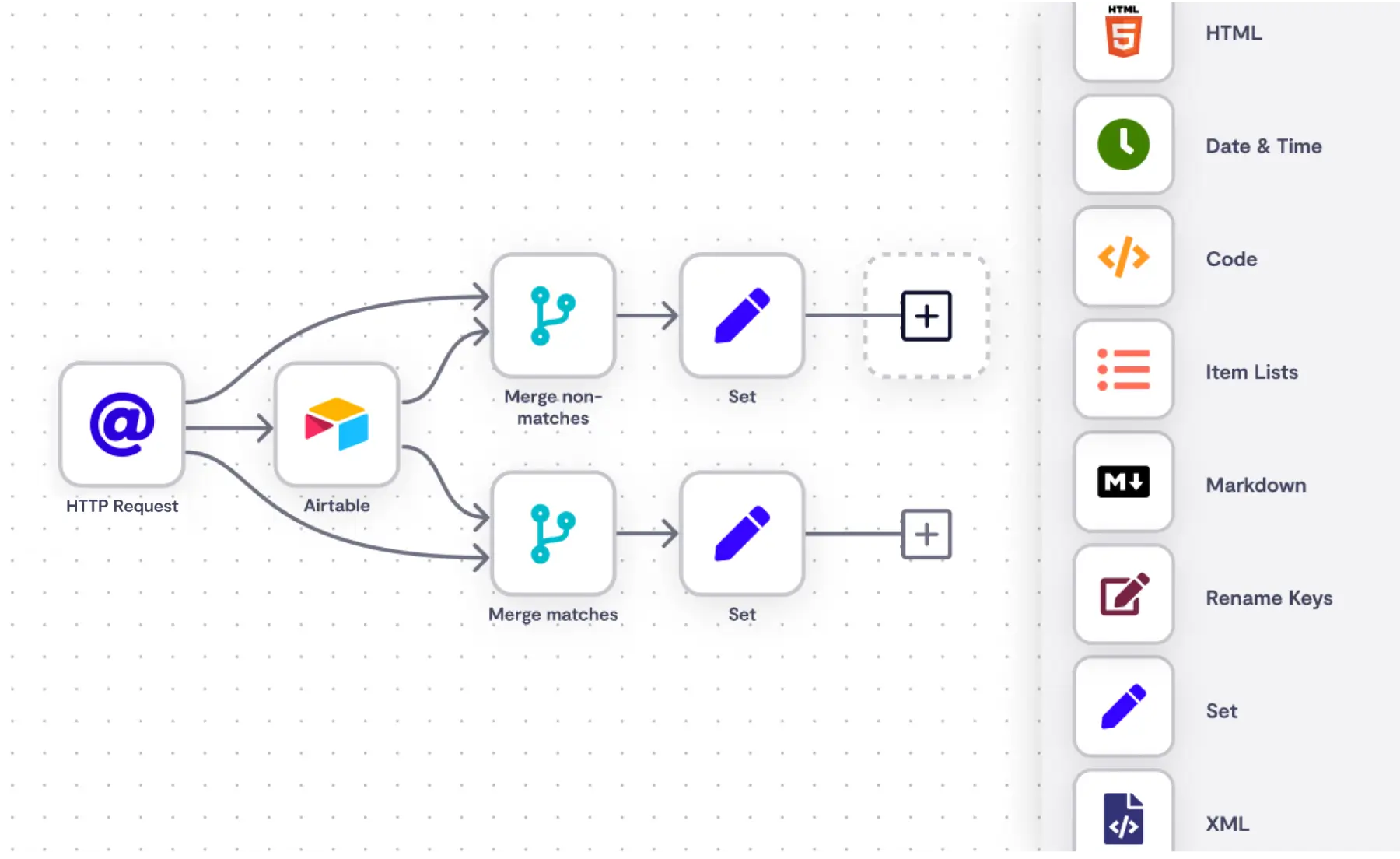
N8N is an open-source automation platform that gives you more control over how workflows run. Tools like N8N support both visual builders and deeper customization for advanced users.
Key features of n8n:
- Self-hosting - Run the platform on your own infrastructure for more data control.
- Custom nodes - Build integrations tailored to your workflow needs.
- Branching logic - Create complex paths based on conditions.
- API support - Connect tools that may not have native integrations.
- Execution logs - Monitor workflow performance in detail.
Who should use n8n: If you want flexibility and do not mind a slightly steeper setup, this tool gives you room to grow. It is ideal when you prefer control over convenience.
5. Lindy AI
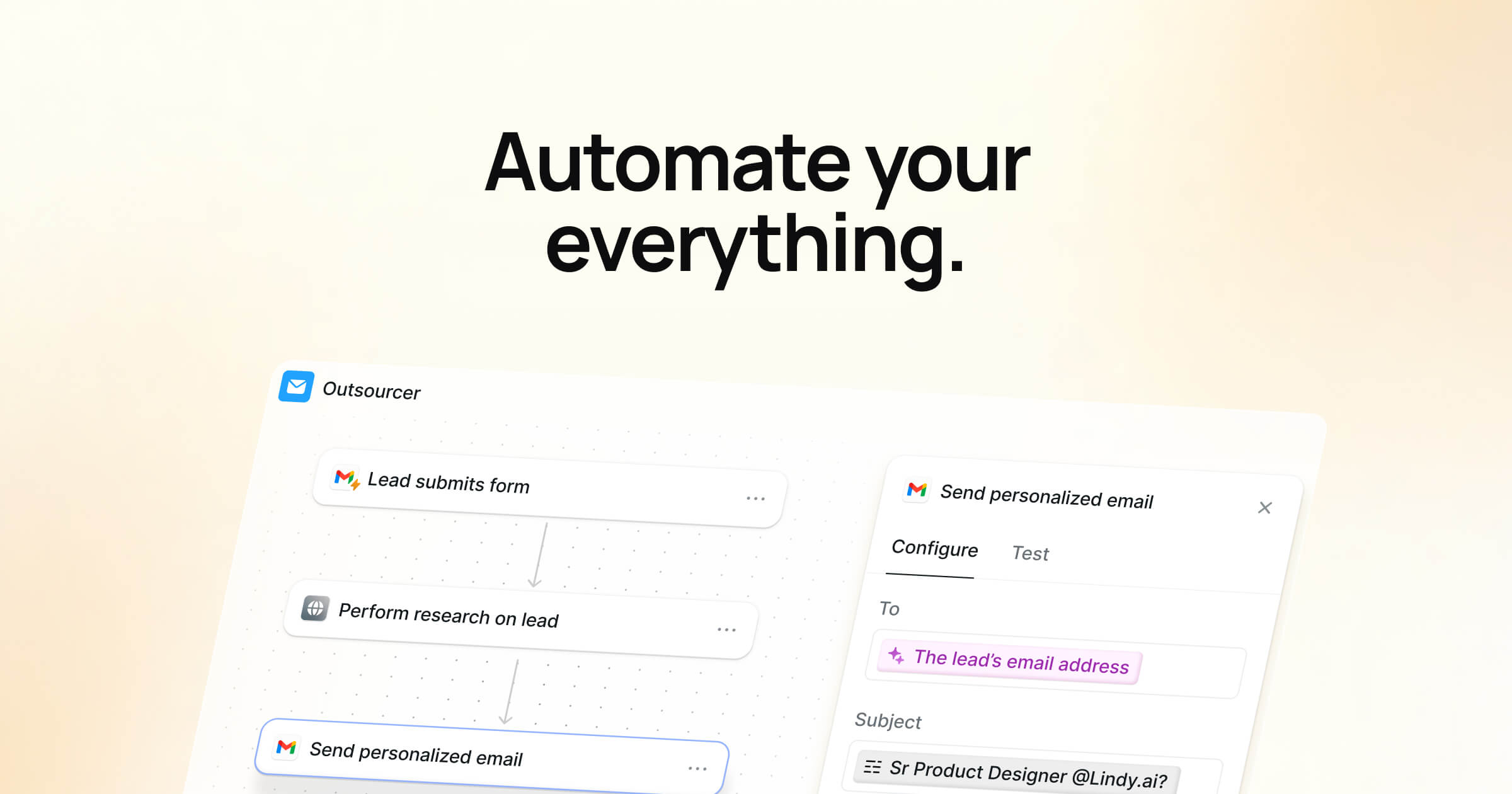
Lindy AI focuses on automating knowledge work such as scheduling, research, and communication. It uses AI agents to manage tasks that normally require manual coordination.
Key features of Lindy AI:
- AI agents - Automate multi-step tasks with minimal oversight.
- Inbox automation - Sort, draft, and respond to messages.
- Meeting coordination - Handle scheduling without back-and-forth emails.
- Task management - Keep projects moving automatically.
- Workflow triggers - Launch actions based on incoming information.
Who should use Lindy AI: If your day is filled with small coordination tasks that break your focus, this can help clear that space. It works well when you want automation that quietly handles background work.
6. Make (Formerly Integromat)
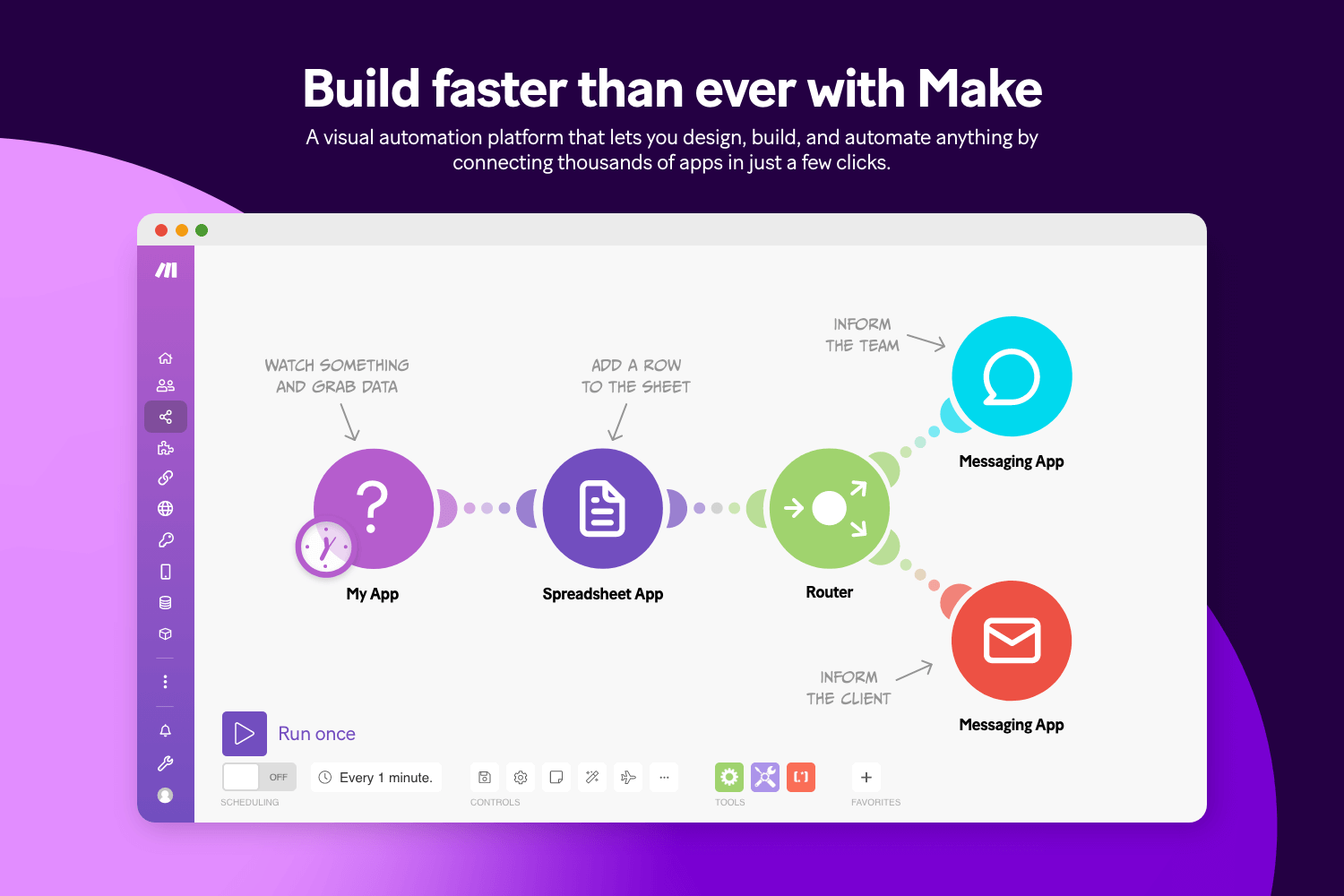
Make (formerly Integromat) provides a visual automation builder that shows exactly how data moves through your workflows. It supports detailed scenarios while remaining approachable.
Key features of Make:
- Visual scenario builder - Map workflows step by step.
- Data transformations - Modify information as it moves between apps.
- Scheduling controls - Decide when workflows should run.
- Error handling - Set fallback actions when something fails.
- Extensive integrations - Connect a wide range of tools.
Who should use Make: If you like seeing how everything connects before turning on automation, this interface makes that easier. It is a good choice when your workflows are starting to grow in complexity.
Want to save hours by automating repetitive typing & workflows?
Join over 800,000+ others who are automating workflows with Text Blaze.
7. Workato
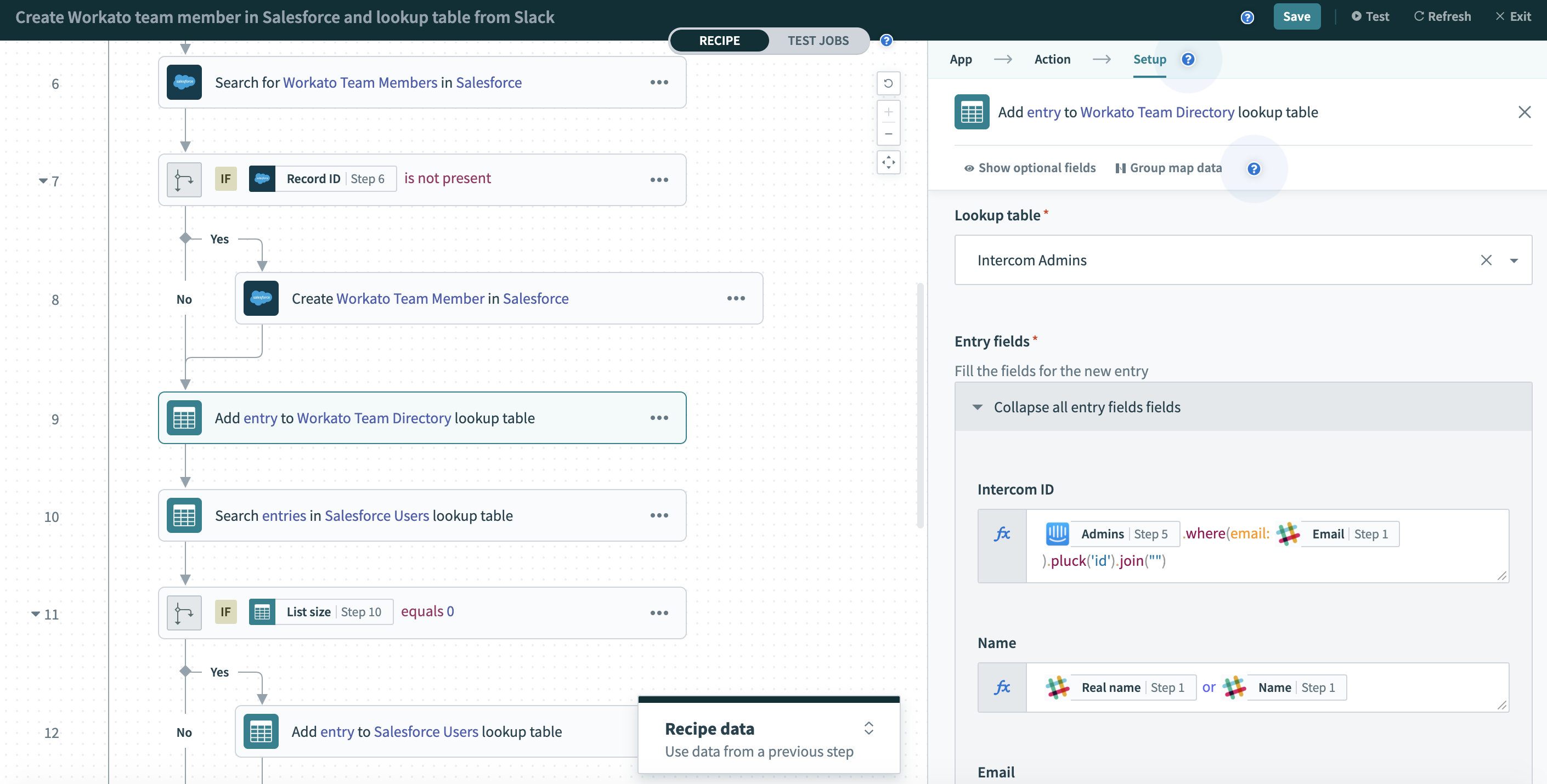
Workato combines integration and automation into a platform designed for business workflows. It helps teams connect systems while keeping processes consistent.
Key features of Workato:
- Recipe automation - Build workflows that connect multiple systems.
- Real-time triggers - Respond instantly to changes across apps.
- Security controls - Manage access with enterprise-level protections.
- Process orchestration - Coordinate workflows across departments.
- Low-code builder - Configure automation without heavy development.
Who should use Workato: If your workflows span several teams, this platform can help keep everything aligned. It is especially useful when consistency matters across your organization.
8. Fivetran

Fivetran automates data pipelines so information flows reliably into your analytics tools. It reduces manual maintenance while keeping datasets current.
Key features of Fivetran:
- Automated syncing - Continuously update data from connected sources.
- Schema management - Adjust automatically when data structures change.
- Prebuilt connectors - Link databases and apps quickly.
- Centralized pipelines - Manage data flows in one place.
- Reliability monitoring - Track pipeline health.
Who should use Fivetran: If you are tired of exporting and importing data just to keep reports accurate, this can remove that burden. It is helpful when clean data directly impacts your decisions.
9. Gumloop
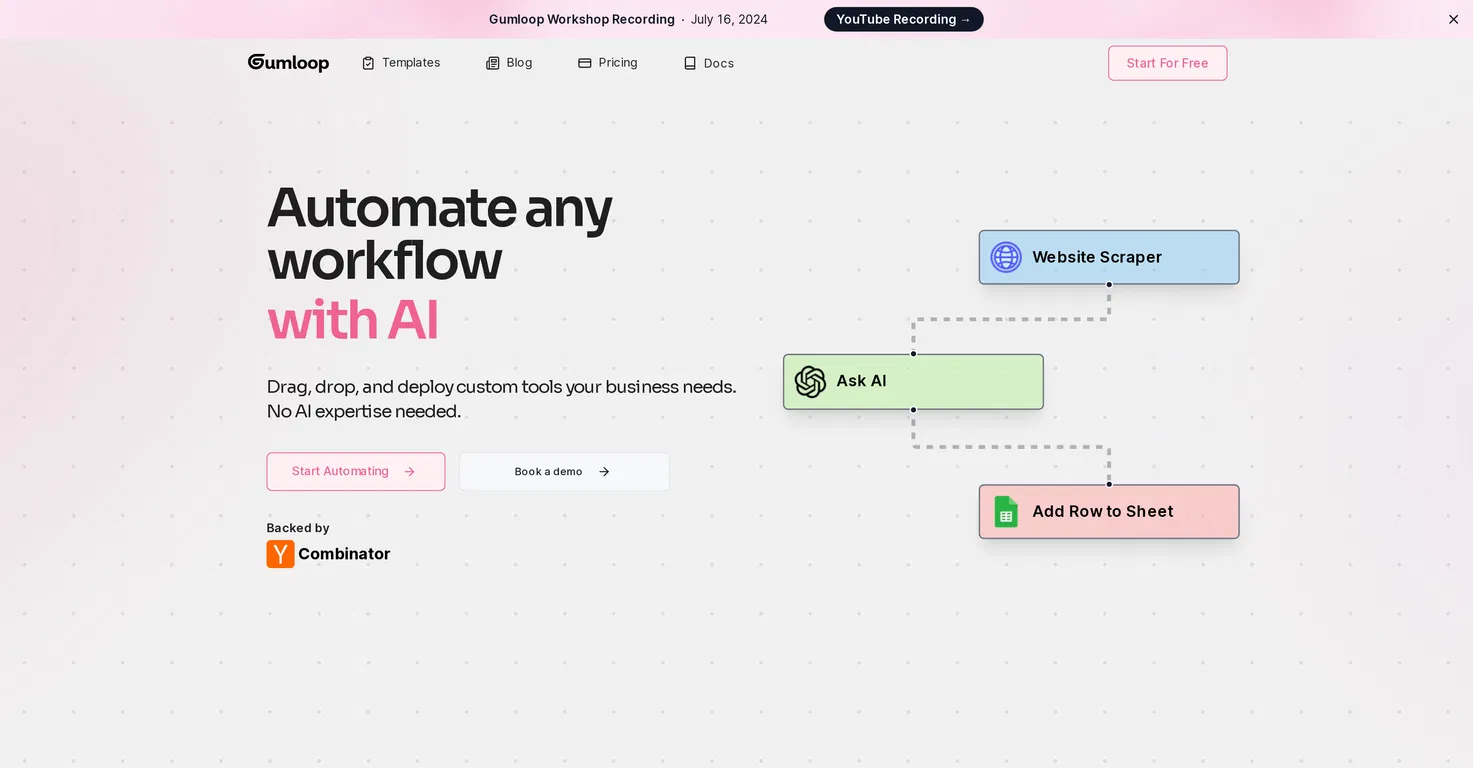
Gumloop is an automation platform that blends AI with workflow creation. It is designed to help reduce repetitive digital work across tools.
Key features of Gumloop:
- AI task automation - Analyze content and trigger follow-up actions.
- Workflow builder - Create processes without complex setup.
- Data processing - Summarize and organize information automatically.
- Integrations - Connect commonly used productivity tools.
- Trigger-based actions - Start workflows based on events.
Who should use Gumloop: If repetitive digital tasks are slowing you down, this can help you reclaim that time. It is a practical option when you want automation that feels modern but manageable.
10. Zoho
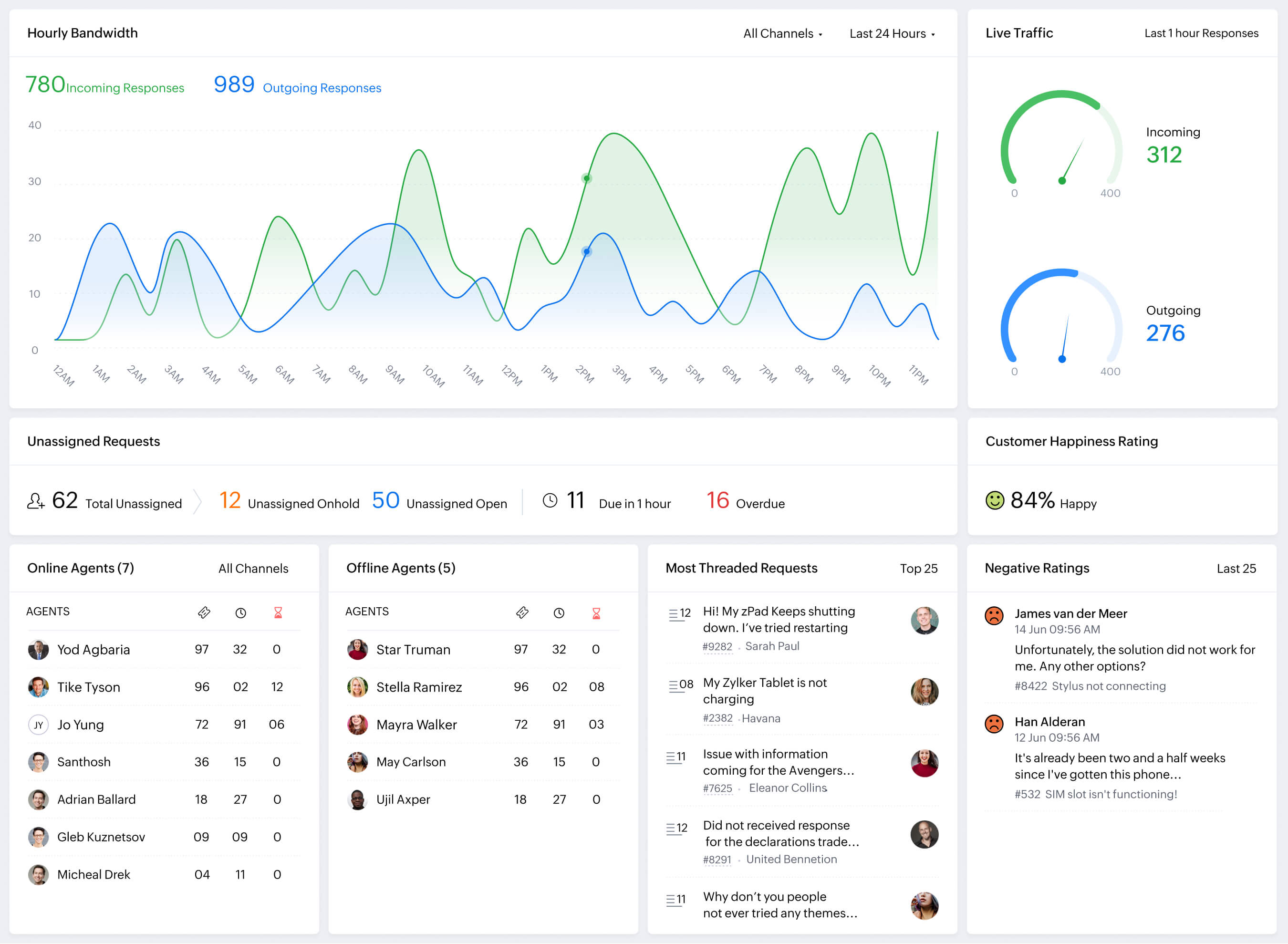
Zoho Desk offers a large ecosystem of apps with built-in automation capabilities. It supports workflows across sales, support, HR, and operations.
Key features of Zoho:
- Workflow rules - Trigger actions when conditions are met.
- Task automation - Assign work automatically to team members.
- Cross-app connections - Keep information aligned across Zoho products.
- Approval processes - Route decisions without manual follow-up.
- Custom functions - Extend automation with scripting.
Who should use Zoho: If you already operate within an app ecosystem, keeping automation under one roof can simplify your day. It works well when you want fewer disconnected tools.
11. Activepieces
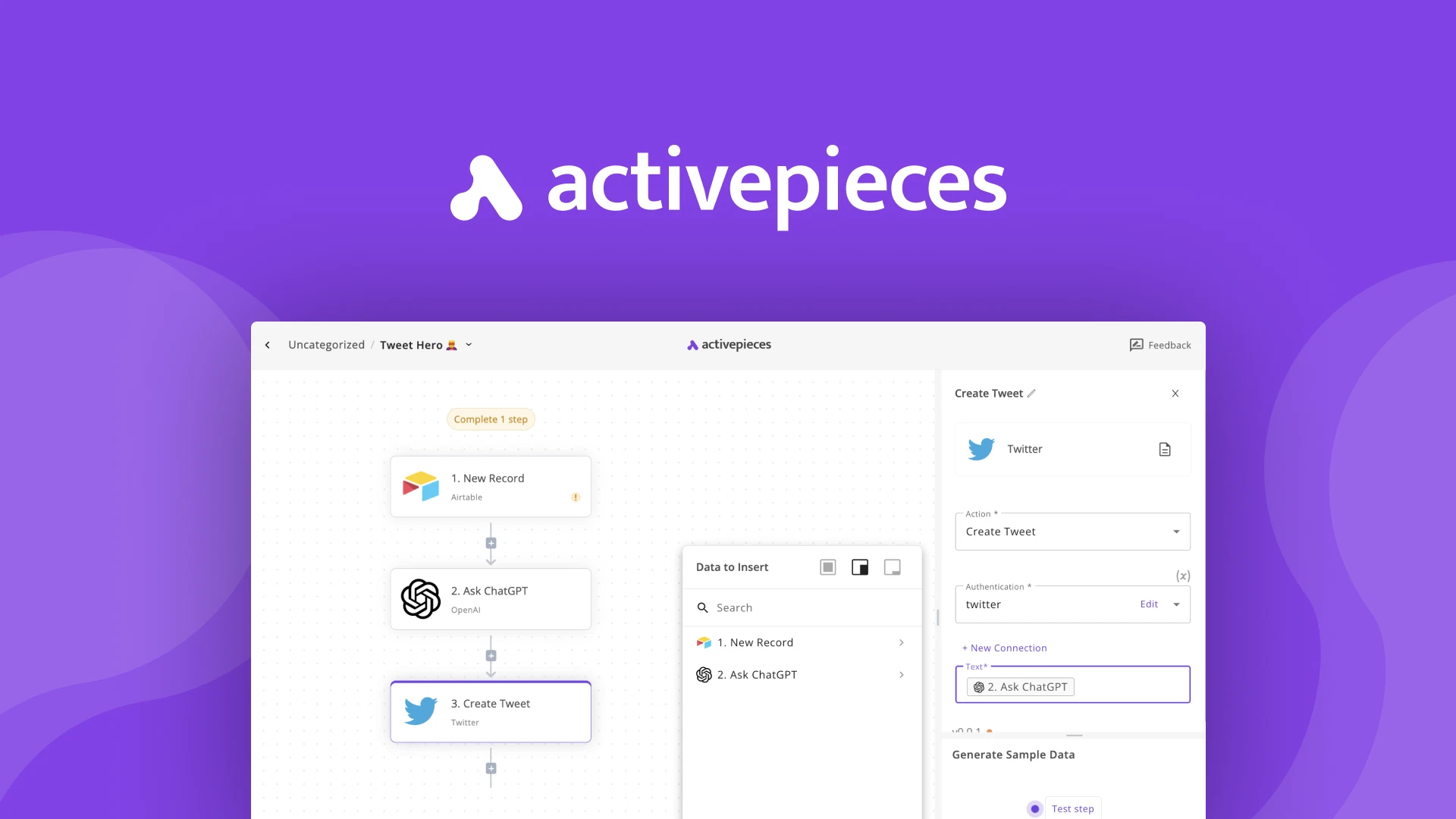
Activepieces is an open-source automation platform that emphasizes transparency and customization. It allows you to create workflows that match your exact needs.
Key features of Activepieces:
- Open-source framework - Customize workflows freely.
- Self-hosting options - Maintain control over your data.
- Drag-and-drop builder - Assemble workflows visually.
- App connections - Integrate with popular services.
- Extensible architecture - Add new capabilities as needed.
Who should use Activepieces: If you prefer tools you can shape around your workflow, this provides that freedom. It is a strong fit when flexibility is more important than plug-and-play simplicity.
Want to save hours by automating repetitive typing & workflows?
Join over 800,000+ others who are automating workflows with Text Blaze.
12. Nintex
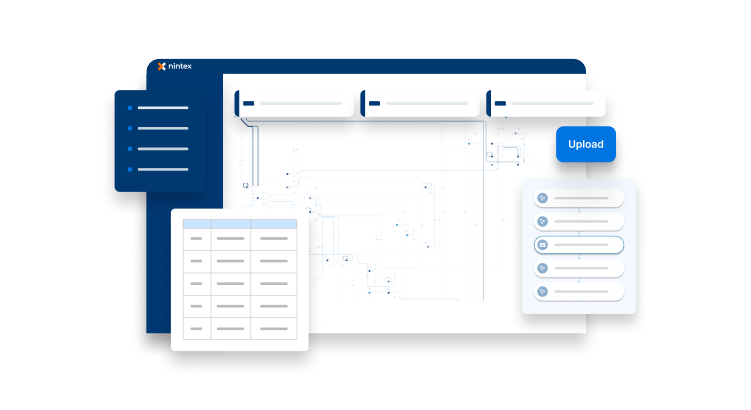
Nintex helps organizations automate structured processes such as approvals and document routing. It focuses on improving visibility across workflows.
Key features of Nintex:
- Process mapping - Visualize workflows before automating them.
- Document automation - Generate and route files automatically.
- Approval workflows - Reduce delays in decision-making.
- Form builder - Collect information digitally.
- Compliance tracking - Maintain process accountability.
Who should use Nintex: If manual approvals are slowing progress, this can help remove bottlenecks. It is especially helpful when you want more clarity around how work moves forward.
13. Pipedrive
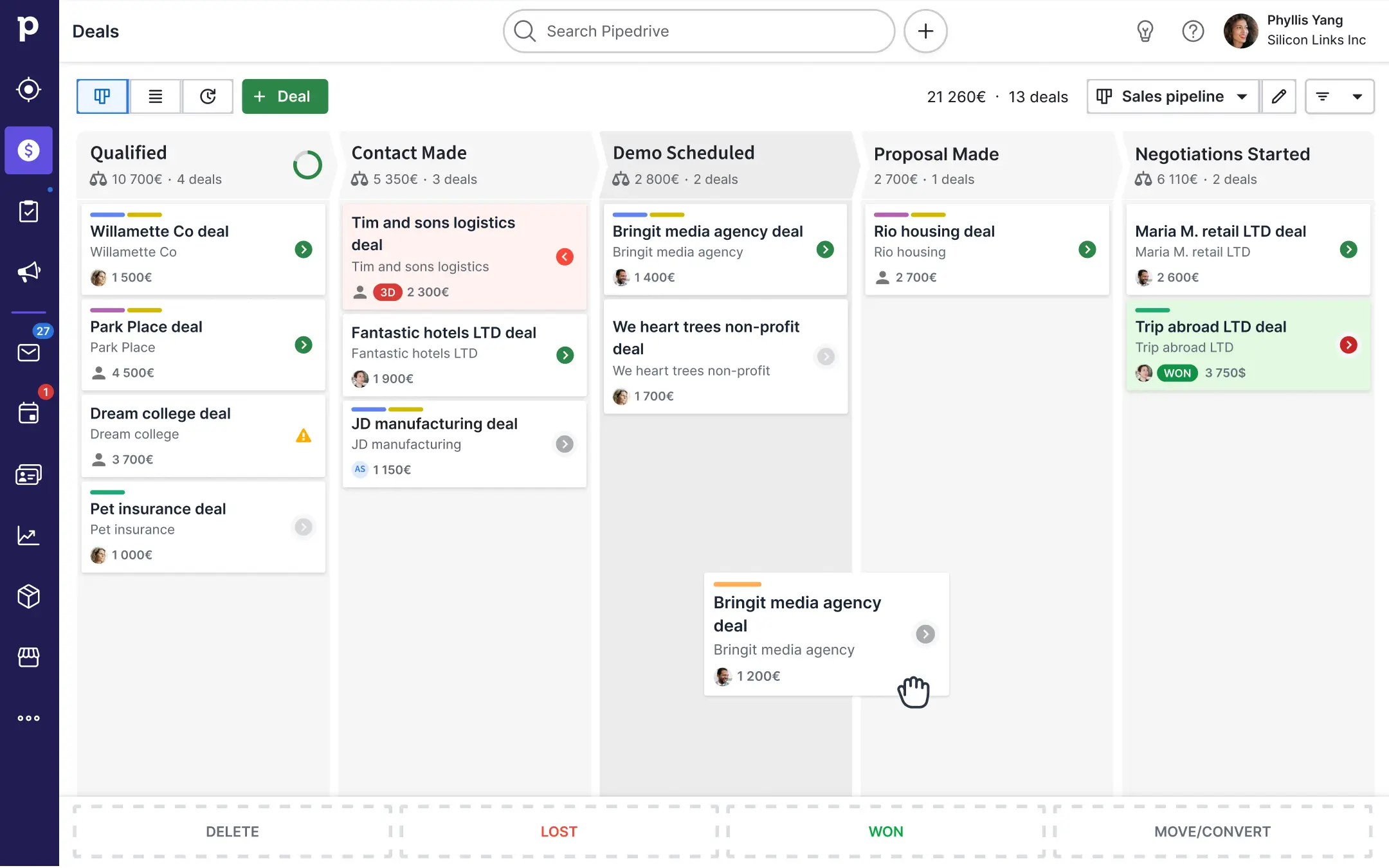
Pipedrive is a CRM that includes workflow automation to keep sales activities organized. It helps reduce manual tracking so you can focus on conversations.
Key features of Pipedrive:
- Sales workflow automation - Trigger actions based on deal stages.
- Activity reminders - Stay on top of follow-ups.
- Email syncing - Keep business communication tied to deals.
- Custom pipelines - Match workflows to your sales process.
- Reporting tools - Monitor progress automatically.
Who should use Pipedrive: If you want fewer administrative tasks getting in the way of selling, this can help. It works well when your goal is staying focused on relationships instead of updates.
14. FlowForma
FlowForma is a process automation platform built to digitize structured workflows. It helps replace manual forms and repetitive requests.
Key features of FlowForma:
- Process builder - Design workflows without heavy coding.
- Digital forms - Capture information consistently.
- Approval routing - Move requests forward automatically.
- Analytics dashboards - Understand how processes perform.
- Integration support - Connect with existing systems.
Who should use FlowForma: If paperwork and email chains are still part of your workflow, this can simplify things quickly. It is useful when consistency matters across recurring processes.
15. Relay App

Relay App focuses on collaborative automation that still allows for human input. It keeps workflows transparent so everyone knows what is happening.
Key features of Relay App:
- Human-in-the-loop workflows - Pause automation for approvals.
- Process visibility - Track each step clearly.
- Role assignments - Route tasks to the right people.
- App integrations - Connect everyday tools.
- Workflow templates - Launch processes faster.
Who should use Relay App: If your workflows require teamwork instead of full automation, this strikes a healthy balance. It is a good fit when coordination is just as important as efficiency.
16. Larksuite
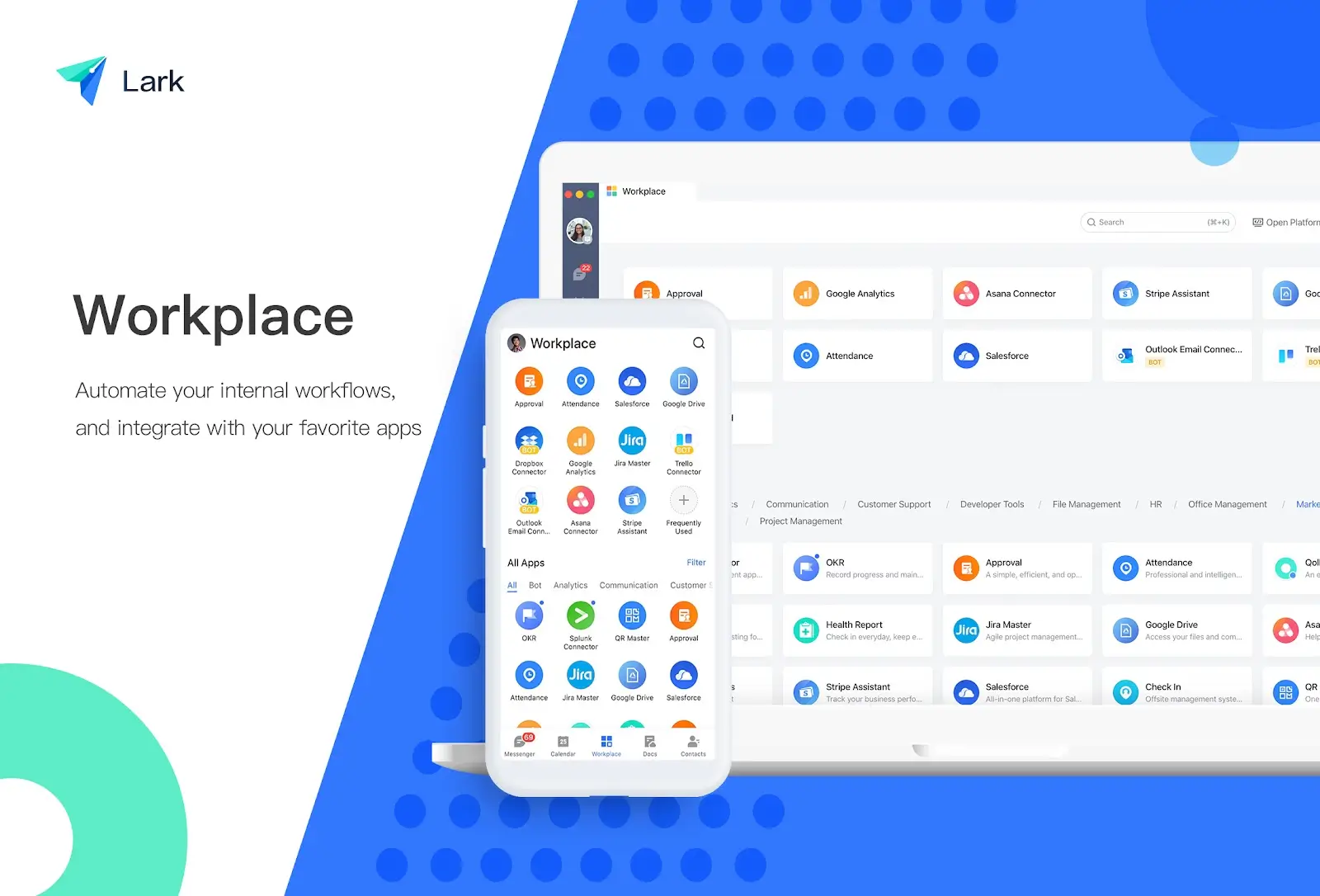
Larksuite blends collaboration tools with automation features in one platform. It allows you to manage team communication and workflows in one place.
Key features of Larksuite:
- Automated approvals - Keep decisions moving.
- Task assignments - Route work without manual oversight.
- Integrated messaging - Connect automation with conversations.
- Workflow templates - Reduce setup time.
- Calendar automation - Coordinate schedules automatically.
Who should use Larksuite: If you want fewer tools competing for attention, combining collaboration and automation can feel refreshing. It works well when your team values simplicity.
17. Automation Anywhere
Automation Anywhere is a robotic process automation platform that uses bots to handle repetitive digital tasks. Tools like Automation Anywhere are often used to improve efficiency in high-volume environments.
Key features of Automation Anywhere:
- Software bots - Automate structured tasks end to end.
- Attended automation - Support users in real time.
- Unattended automation - Run workflows without supervision.
- Analytics insights - Measure automation impact.
- Security controls - Protect sensitive processes.
Who should use Automation Anywhere: If repetitive processes are consuming hours each week, bots can give that time back. It is particularly helpful when scale is becoming a concern.
Want to save hours by automating repetitive typing & workflows?
Join over 800,000+ others who are automating workflows with Text Blaze.
18. Parseur
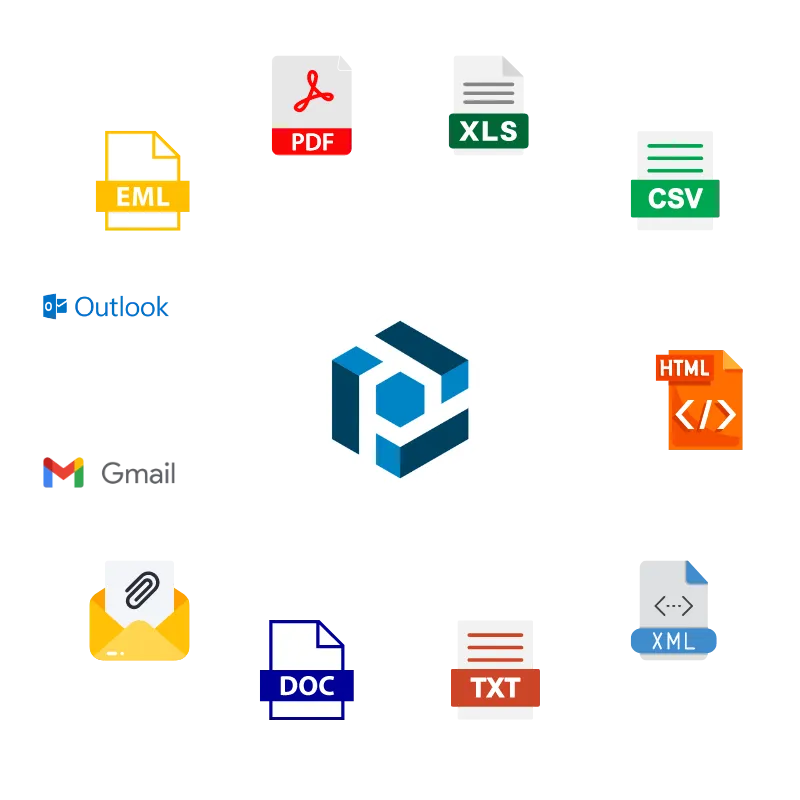
Parseur extracts data from emails and documents so you do not have to enter it manually. It converts unstructured text into usable information.
Key features of Parseur:
- Email parsing - Capture data from incoming messages.
- Document extraction - Pull details from PDFs and forms.
- Automatic routing - Send data to connected apps.
- Template setup - Standardize how data is captured.
- Real-time processing - Reduce delays in workflows.
Who should use Parseur: If copying and pasting data is part of your routine, this can remove that friction. It is a practical choice when accuracy and speed both matter.
19. Glean AI

Glean AI automates financial analysis by reviewing spending patterns and highlighting insights. It helps reduce manual review across finance workflows.
Key features of Glean AI:
- Spend analysis - Understand where money is going.
- Vendor insights - Identify pricing patterns.
- Anomaly detection - Spot unusual transactions.
- Reporting automation - Generate financial summaries.
- Data integrations - Connect accounting tools.
Who should use Glean AI: If financial reviews take longer than they should, automation can lighten that load. It is helpful when you want clearer visibility without digging through spreadsheets.
20. Latenode

Latenode is an automation platform that combines visual workflows with scripting flexibility. It supports integrations that help connect services efficiently.
Key features of Latenode:
- Workflow builder - Design processes visually.
- API connectivity - Link tools through custom endpoints.
- Script support - Add logic where needed.
- Event triggers - Launch workflows automatically.
- Scalable architecture - Expand automation over time.
Who should use Latenode: If you want room to customize your workflows as they evolve, this platform supports that growth. It is a strong option when your automation needs are likely to expand.
What is the Best Free Power Automate Alternative?
Finding the right alternative often comes down to two things: what processes you want to automate and how much setup you are comfortable handling. Some workflows only need quick, rule-based automation that you can configure in minutes, while others require deeper customization and a bit more patience upfront.
Our tip: be honest about your technical comfort level can help you avoid choosing something that either limits you or overwhelms you.
It also helps to look closely at where your time is going each day. If repetitive tasks are taking up a large portion of your schedule, there is a strong chance those processes can be automated.
You do not need to automate everything at once to see results. Start with the tasks that interrupt your focus the most, build workflows that genuinely reduce your workload, and adjust as you learn what works.
To recap, our suggestion for the best free Power Automate alternative is Text Blaze. Text Blaze helps you automate repetitive typing. data transfer, form-filling, and workflows on any website. Plus, Text Blaze is free forever!
Give Text Blaze a try today!