How to Build a Great B2B Sales Tech Stack in 2026
Learn how to build a sales tech stack that improves productivity, supports sales automation, and keeps deals moving in 2026.

Deals rarely stall because sales reps lack effort. More often, they slow down due to scattered tools, manual updates, and workflows that require too many steps to complete simple tasks.
When your systems are disconnected, productivity drops and valuable selling time disappears. That's why it's so important to make sure your tech stack is up to date & modernized.
A well-structured sales tech stack helps you streamline daily work, automate repetitive tasks, and keep opportunities moving forward.
In this guide, you’ll learn what a sales tech stack is, why it matters, what tools belong in it, and exactly how to build one that supports your workflow instead of slowing it down.
What Is a B2B Sales Tech Stack?
A B2B sales tech stack is the collection of software and tools sales teams use to manage leads, automate workflows, track deals, and analyze performance.
Instead of relying on disconnected tools, a strong sales technology stack connects your workflows so information flows naturally between platforms.
When built correctly, a sales software stack reduces administrative work, improves visibility into the pipeline, and gives reps more time to focus on conversations that drive revenue.
Why Your Sales Tech Stack Matters More Than Ever
Sales environments have become more complex. Buyers expect faster responses, personalized outreach, and informed conversations at every stage of the journey. Without a structured sales tech stack, it becomes much harder to meet those expectations while maintaining productivity.
Here are a few reasons why your tech stack matters more today than ever:
More selling time
Reps should spend the majority of their day speaking with prospects and moving deals forward, not handling administrative work. When your stack supports automation and reduces manual updates, you naturally reclaim hours that can be redirected toward revenue-generating activities.
Over time, even small efficiency gains compound into meaningful pipeline impact.
Better pipeline visibility
A connected sales technology stack keeps your data organized and accessible. Instead of searching across platforms for context, reps can quickly understand account history, recent interactions, and next steps.
This clarity makes it easier to prioritize opportunities and avoid surprises late in the sales cycle.
Consistent outreach
Structured systems help ensure prospects receive thoughtful, timely communication rather than sporadic follow-ups. When messaging stays consistent across the team, it creates a more professional buying experience.
Consistency also builds trust, which is often the difference between a stalled deal and a progressing one.
Stronger forecasting
Reliable forecasts depend on reliable data. When tools sync properly and activity is captured automatically, leadership gains a clearer picture of pipeline health.
Better visibility allows teams to make proactive adjustments instead of reacting to problems after the fact.
Improved collaboration
Sales rarely operates in isolation. Marketing, operations, and leadership all rely on shared insights to support growth.
A well-integrated sales software stack keeps everyone aligned, reduces miscommunication, and supports smoother handoffs throughout the customer journey.
When your systems work together, your team can operate with greater confidence and far less friction.
Signs Your Sales Stack Is Holding You Back
Not every problem is obvious. Many teams adapt to inefficient workflows without realizing how much time they are losing.
If you or your team is struggling, here are a few signs that could indicate that it's actually your tech stack that is holding you back:
Too much manual data entry - Reps spend more time updating fields than speaking with prospects.
Tools that don’t communicate - Important context gets buried across platforms.
Duplicate software - Overlapping features create confusion and unnecessary costs.
Slow follow-ups - Manual reminders make it easy for leads to go cold.
Unreliable reporting - Inconsistent data leads to questionable forecasts.
Low tool adoption - If your team avoids a platform, it is likely adding friction.
If any of these feel familiar, your sales technology stack may need a structural rethink rather than another tool layered on top.
Want to automate sales workflows anywhere you work?
Join 700,000+ who are using Text Blaze templates.
The Core Layers of a B2B Sales Tech Stack
A strong stack is not about having more software. It is about ensuring each layer supports a specific part of the sales workflow while integrating cleanly with the rest of your systems.
Here are a few core layers that you should make sure are covered in your sales tech stack:
CRM - Acts as the central source of truth for contacts, accounts, deal stages, and activity history. A reliable CRM keeps your pipeline organized and prevents important details from slipping through the cracks.
Sales engagement - Helps manage outreach through sequences, reminders, and communication tracking. These platforms bring structure to follow-ups so prospects hear from you at the right time.
Data and enrichment - Provides accurate contact information and company insights. Clean data improves targeting and reduces wasted effort.
Sales enablement - Gives reps easy access to approved messaging, collateral, and playbooks. This shortens ramp time and keeps communication consistent.
Automation and workflow tools - Reduce repetitive work such as logging activity, routing leads, and generating templated responses. Sales automation is one of the fastest ways to improve productivity without increasing workload.
Forecasting and analytics - Turns pipeline activity into actionable insights. Strong reporting helps leaders identify risk earlier and make informed decisions.
Conversation intelligence - Captures insights from calls and meetings so teams can refine messaging and coaching strategies.
Integration and middleware - Connects your integrated sales applications so data moves automatically between systems. Without this layer, even great tools can create operational friction.
When these layers work together, your B2B tech stack becomes a coordinated system rather than a collection of disconnected platforms.
How to Build a B2B Sales Tech Stack (Step-by-Step)
Building an effective sales stack starts with understanding your workflow, not chasing features. Use the checklist below to create a system that supports how your team actually sells.
1. Identify Where Deals Slow Down
Look closely at your pipeline and pinpoint the stages where momentum tends to fade. It might be delayed follow-ups, inconsistent outreach, or time lost searching for information.
Once you identify these friction points, you can focus on tools that remove those obstacles instead of guessing what your stack needs.
2. Audit Your Existing Tools
Before adding anything new, evaluate what you already have. Many teams discover unused features or duplicate capabilities during this process.
For example, if you work in Salesforce, you can find Salesforce automation tools to speed up your work within the tool itself.
A simple audit often reveals that improving adoption or configuring workflows properly can solve problems without expanding your sales software stack.
3. Eliminate Overlapping Software
Multiple tools performing similar functions can create confusion and fragmented data. Consolidating platforms simplifies workflows and reduces the mental load on reps.
Fewer tools also make training easier and help your team build consistent habits.
4. Prioritize Integration
Disconnected systems force reps to copy information manually, which increases the chance of errors. Integrated sales platforms allow updates to sync automatically across tools.
When evaluating software, consider how easily it connects with your CRM and other critical systems. Strong integrations often matter more than advanced features.
5. Reduce Manual Work
Administrative tasks quietly drain productivity. Logging notes, updating fields, and drafting repetitive messages should not consume your day.
Sales productivity tools that automate these steps allow you to focus on preparation, conversations, and relationship building.
6. Choose Tools Your Team Will Actually Use
Adoption determines whether a tool delivers value. If a platform feels complicated or interrupts workflow, reps will avoid it.
Look for software that fits naturally into daily processes and requires minimal context switching.
7. Build for Scalability
Your stack should support growth without forcing a rebuild every year. Flexible platforms and clean integrations make expansion easier as your pipeline grows.
Planning ahead prevents rushed decisions later.
B2B Sales Tech Stack Example
Sales tech stacks can vary depending on your sales motion, deal size, and workflow preferences. While the exact tools vary by organization, most high-performing B2B sales teams build their stacks around a similar structure to the example below.
Here is an example of what a modern B2B sales tech stack might include:
Text Blaze
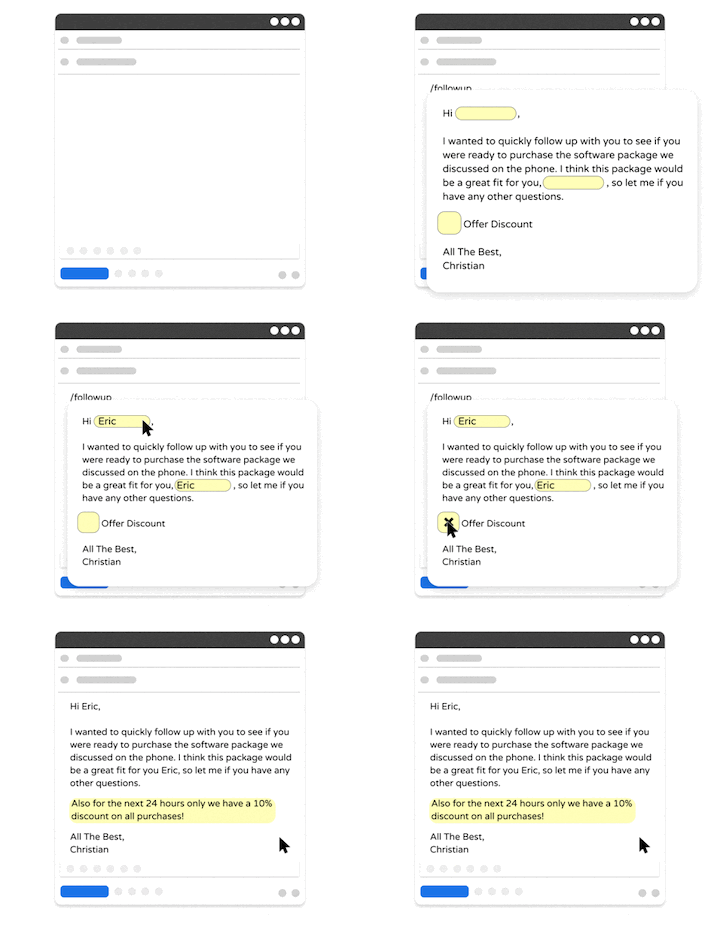
With Text Blaze, you can create powerful, context-aware templates to streamline sales communication and workflows anywhere you work!
Here's what makes Text Blaze stand out:
Create powerful, dynamic templates - Create powerful, context-aware templates with placeholders for emails and messages to prospects.
Automate data transfer and form-filling - Quickly read and transfer data across sites and autofill forms.
Text Blaze is perfect for teams - Turn every seller into a top performer. Standardize communication and ensure the right message at the right time, every time. Learn more here.
Text Blaze works on Chrome, Windows, and Mac - Via Text Blaze's Chrome Extension, Windows app, and Mac app, you can save time using shortcuts on any site or app.
Text Blaze is free forever - Text Blaze is free forever, meaning you can use the free version forever without ever having to pay for a subscription.
Want to automate sales workflows anywhere you work?
Join 700,000+ who are using Text Blaze templates.
HubSpot CRM
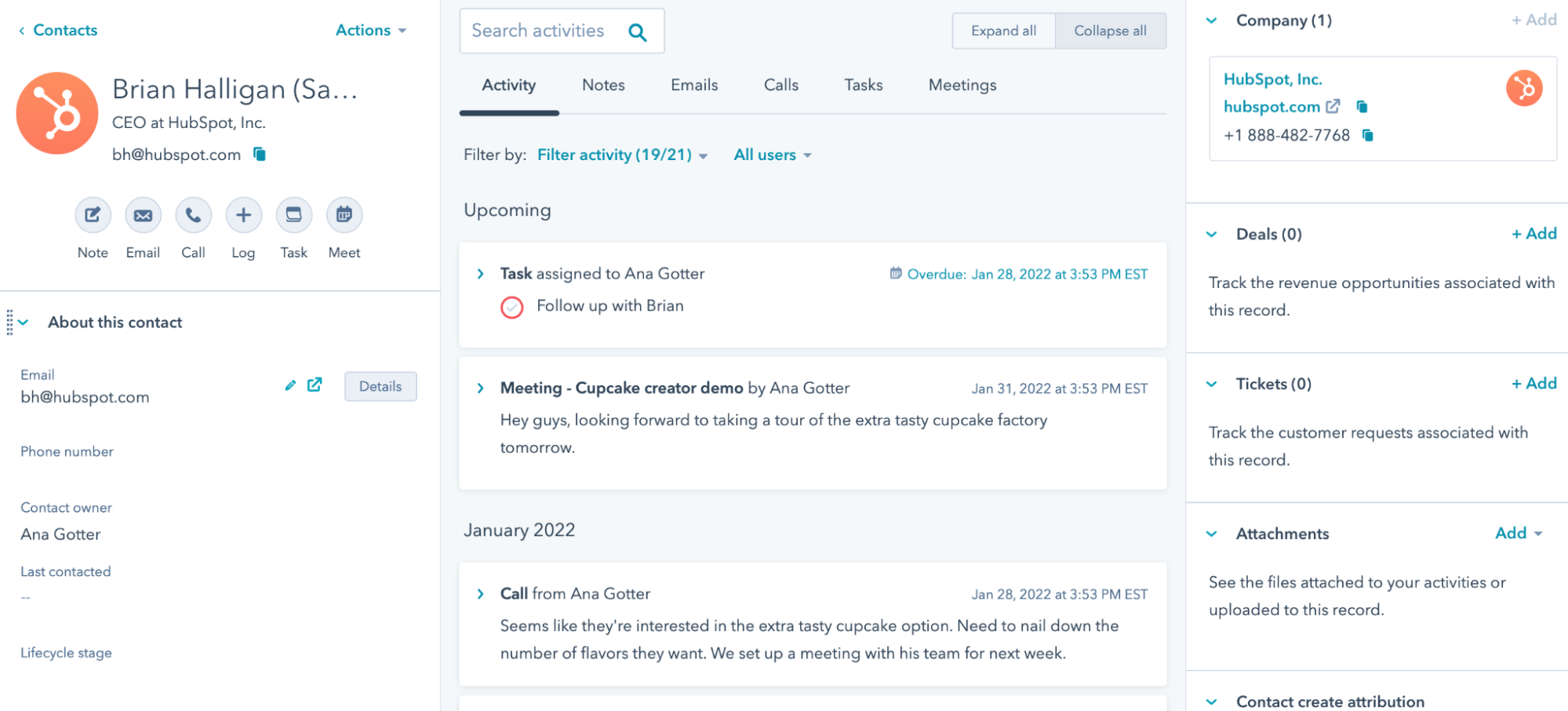
HubSpot's acts as the central source of truth for contacts, deals, and activity. It gives reps clear visibility into the pipeline while keeping account history organized and accessible.
With built-in automation, reporting, and communication tracking, it supports more informed conversations and better forecasting. Having a reliable CRM ensures your entire sales technology stack operates from accurate data.
Salesloft
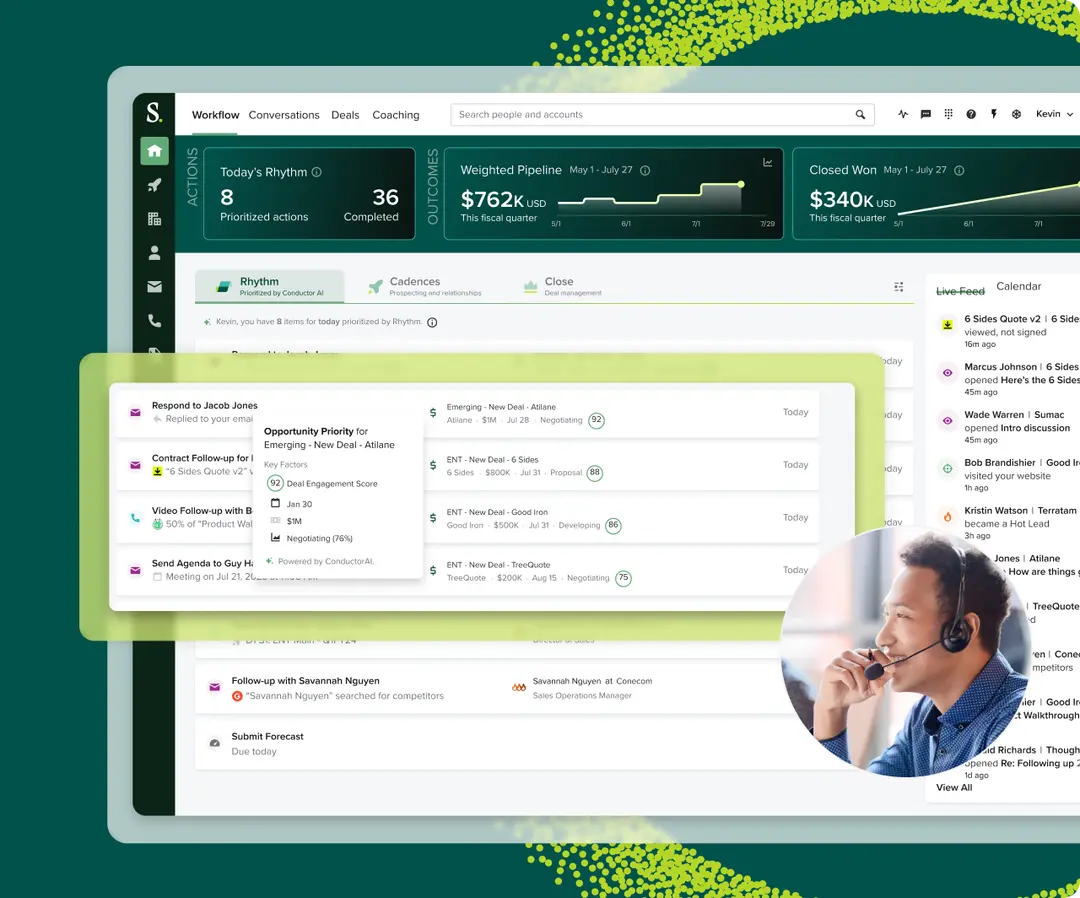
Salesloft is a sales engagement platform designed to structure outreach and follow-ups across multiple channels. It helps reps stay organized by guiding when to call, email, or reconnect with prospects.
By bringing consistency to communication, it reduces the chances of leads going cold and makes daily execution more predictable. Tools like this play a major role in improving sales productivity.
ZoomInfo
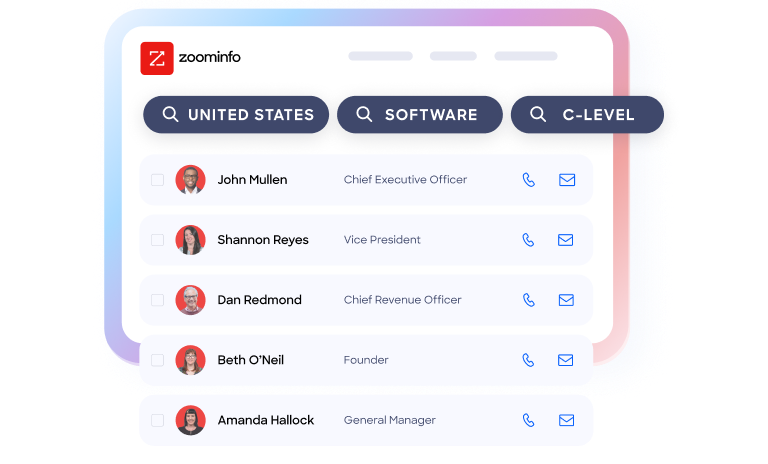
ZoomInfo provides data and enrichment capabilities that help sales teams identify the right prospects and maintain accurate contact records. Reliable data allows reps to spend more time selling and less time searching for information.
Stronger data also improves targeting, which supports better conversion rates and more efficient pipeline growth.
A high-performing sales software stack does not need to be overly complex. What matters most is choosing tools that reduce friction, support your workflow, and give you more time to focus on conversations that move deals forward.
Common Sales Tech Stack Mistakes to Avoid
Even well-funded teams can create inefficient stacks if decisions are made too quickly. Avoiding these common mistakes can save significant time and budget:
Buying tools before defining the process - Software works best when it supports a clear workflow.
Optimizing for features instead of usability - Complex platforms often go underused.
Ignoring data hygiene - Poor data weakens business automation and reporting.
Adding tools to fix workflow problems - Sometimes the process needs adjustment first.
Underestimating onboarding - Without proper training, adoption suffers.
A thoughtful approach keeps your sales stack practical rather than overwhelming.
How AI Is Changing the Modern Sales Tech Stack
AI is becoming a core part of many sales tech stacks because it helps teams move faster without adding complexity. Instead of increasing workload, it supports better decisions and more consistent execution across the pipeline.
Preparation is one of the biggest areas of impact. AI can summarize accounts, surface key insights, and highlight recent activity so reps spend less time researching and more time selling.
It is also improving communication. Drafting assistance helps reps create emails and follow-ups faster while still allowing room for personalization, which keeps outreach both efficient and thoughtful.
As sales technology continues to evolve, the strongest stacks will be the ones that use AI to reduce friction and increase support productivity while keeping the human side of selling front and center.
Want to automate sales workflows anywhere you work?
Join 700,000+ who are using Text Blaze templates.
How to Choose the Right Sales Tech Stack for Your Team
Choosing the right stack starts with understanding how your team works today and where efficiency matters most.
Here are a few important factors to keep in mind while finalizing your team's tech stack:
Workflow fit - Select tools that complement your process rather than forcing change.
Ease of use - Simpler platforms encourage stronger adoption.
Integration capability - Connected systems prevent data silos.
Automation potential - Look for opportunities to reduce repetitive work.
Reporting clarity - Reliable insights support smarter planning.
The goal is not to assemble the largest possible stack. It is to build one that helps you operate consistently while protecting your time.
What Is the Best B2B Sales Tech Stack?
The highest-performing and "best" B2B sales tech stack is the one that makes your day easier, not more complicated. If your tools help you respond faster, stay organized, and spend more time in conversations with prospects, you are moving in the right direction.
Start by paying attention to where your time actually goes. If you are constantly switching between platforms, rewriting the same messages, or manually updating records, those are strong signals that your stack needs adjustment.
It is also worth remembering that a strong sales stack does not have to be large. A smaller set of well-integrated sales productivity tools often delivers more value than a crowded system filled with overlapping features.
Our advice: focus on building a sales technology stack that supports consistency, improves visibility, and removes unnecessary effort from your process.
When your systems are working for you instead of demanding constant attention, you create more space to focus on the conversations and relationships that ultimately drive revenue.
To recap, our suggestion for the best sales automation tool for your tech stack is Text Blaze. With Text Blaze, you can create powerful, context-aware templates to streamline sales communication and workflows anywhere you work!
Give Text Blaze a try for free today!